


A buyer falls in love with the view first, but the right property decision usually comes down to how that view fits real life. When clients compare beachfront versus mountain view homes, they are often choosing between two very different versions of the Caribbean lifestyle - both appealing, but not interchangeable.
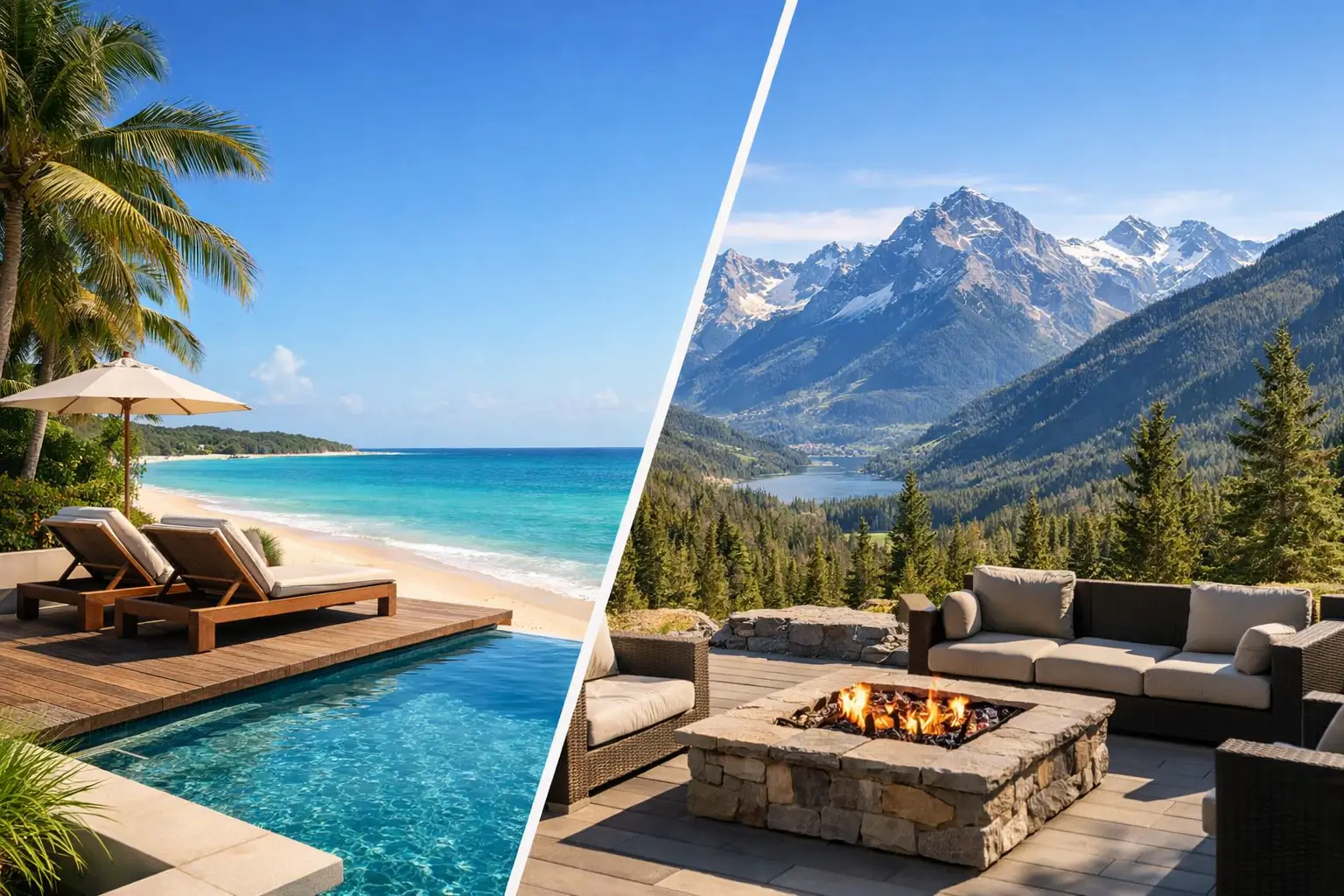
In the Dominican Republic, especially in lifestyle-driven markets like Sosua and Cabarete, this choice shapes far more than your morning scenery. It affects privacy, maintenance, rental performance, noise levels, insurance considerations, and even how often you use the home. A beachfront property can feel like instant vacation. A mountain view home can offer space, calm, and a stronger sense of retreat. The better option depends on what you want the property to do for you.
Beachfront versus mountain view homes: what really changes
The biggest difference is not just location. It is how the property lives day to day.
Beachfront homes deliver immediate access and a strong emotional pull. You step outside and the ocean is part of your routine. For buyers planning a vacation home, short-term rental, or lifestyle purchase centered on the water, that convenience matters. Many people picture coffee on the terrace, direct beach walks, and sunset views, and beachfront homes deliver that with very little imagination required.
Mountain view homes tend to offer a different kind of value. They often feel more private, more spacious, and more residential. Instead of activity and foot traffic, you get elevation, breezes, and a broader visual landscape. In many communities, mountain view properties also give buyers more house, more land, or newer construction at a more approachable price point than true beachfront inventory.
That trade-off is where the decision gets interesting. One puts you in the center of the coastal lifestyle. The other gives you room to enjoy it on your own terms.
Lifestyle fit matters more than the postcard view
For relocation buyers and retirees, the question is not which view is prettier. It is which setting will still feel right after six months, not just six days.
Beachfront living can be energizing, social, and highly convenient if the beach is central to how you want to spend your time. If you are someone who swims regularly, entertains guests, or wants the strongest possible vacation feel, being right on the water can be worth the premium. It also tends to impress visiting family and friends immediately, which matters more than some buyers expect.
But beachfront is not always peaceful. Depending on the area, you may have more public activity, music from nearby venues, or a busier atmosphere during peak travel periods. Some buyers love that energy. Others realize later that they prefer a quieter rhythm.
Mountain view homes are often a better match for buyers who want a full-time residence, a work-from-home base, or a home that feels tucked away without being isolated. The setting can be calmer, cooler, and less exposed. If your ideal day includes outdoor living, pool time, and open-air dining rather than constant beach access, a mountain view property may suit you better than you first assumed.
This is especially true for buyers who want the Dominican lifestyle without feeling like they live inside a resort postcard every hour of the day.
Ownership costs and maintenance are not the same
This is one of the most overlooked parts of the beachfront versus mountain view homes decision.
Beachfront properties usually come with more exposure to salt air, wind, and moisture. Over time, those elements can be harder on exterior finishes, metal fixtures, windows, railings, appliances, and air conditioning systems. That does not make beachfront ownership a bad idea, but it does mean maintenance needs to be taken seriously from the start. Buyers should go in expecting a more hands-on approach to upkeep and budgeting.
Mountain view homes are not maintenance-free, but they often avoid the same level of direct coastal exposure. In practical terms, that can mean less wear on certain materials and systems. If you are buying from abroad and plan to spend only part of the year in residence, lower exposure can be a meaningful advantage.
Insurance and building considerations can also differ. Depending on exact location, construction type, and community infrastructure, waterfront positioning may affect cost and risk planning. This is one reason local guidance matters. Two homes with similar asking prices can carry very different long-term ownership profiles.
Rental appeal depends on your strategy
If the property needs to generate income, the answer is not automatically beachfront.
Yes, beachfront homes often have immediate marketing appeal. Travelers understand the value quickly, and direct beach access can support premium nightly rates. For short-term vacation rentals, that visibility can be a strong advantage, especially in established tourism markets.
But gross rental appeal is only part of the picture. Purchase price, carrying costs, owner usage, occupancy patterns, and maintenance all influence actual returns. A mountain view home in a desirable gated community with a pool, good management, and proximity to beaches may perform very well, especially for longer stays, family travel, or seasonal renters who prioritize space and comfort over being directly on the sand.
Some investors also prefer mountain view or inland coastal homes because the entry point can be lower while rental demand remains healthy. That creates a different return profile. You may give up the premium label of beachfront, but gain flexibility and margin.
For buyers who want a hybrid property - part personal use, part income asset - the smartest purchase is often the one that fits your calendar and budget, not the one with the strongest emotional pull during a showing.
Privacy, access, and community feel
The best home is not just about the lot. It is also about what surrounds it.
Beachfront properties can vary dramatically. Some feel exclusive and quiet, while others sit close to active beach zones with vendors, restaurants, water sports, or public pathways. That can be a plus or a drawback depending on your expectations. Buyers who want walkability and activity may see that as value. Buyers looking for seclusion may not.
Mountain view homes often offer stronger separation from tourist traffic. In planned communities around Sosua and Cabarete, this can translate to a more relaxed residential feel while still keeping beaches, dining, and services within a short drive. For full-time residents, that balance is often very appealing.
Access also matters in daily life. Beachfront sounds effortless, but some homes trade convenience for location. Parking, road condition, or storm-season exposure can be part of the equation. A mountain view property with excellent access, security, and infrastructure may be easier to own and enjoy regularly.
Which buyers usually lean beachfront
Beachfront tends to make the most sense for buyers who are prioritizing experience first. That includes vacation home shoppers who want immediate wow factor, short-term rental investors targeting premium traveler demand, and lifestyle buyers who know they will use the beach constantly.
It also fits buyers who are comfortable with a higher acquisition cost and potentially higher maintenance in exchange for a more iconic setting. If your goal is to wake up to the sound of the ocean and feel fully immersed in coastal living, compromises in other areas may feel worth it.
Which buyers usually lean mountain view
Mountain view homes often appeal to more practical lifestyle planners, though that does not mean they are less aspirational. They simply offer a different version of the dream.
These homes can be ideal for retirees, remote workers, families, and part-time residents who want comfort, privacy, and stronger value per square foot. They also suit buyers who want to be near the coast without paying top-tier beachfront pricing.
In many cases, mountain view buyers are thinking longer term. They want a home that works beautifully for everyday living, not just for special occasions. That mindset often leads to very satisfying purchases.
How to make the right call
Start with your real use case, not your first emotional reaction. Ask yourself how many weeks per year you will be there, whether rental income matters, how much maintenance you are comfortable managing, and whether your ideal day involves being on the beach or simply near it.
Then think about budget honestly. Not just purchase price, but carrying costs, furnishing, upkeep, and property management if you will be away. A home that feels slightly less glamorous on day one can become the better investment and the better lifestyle fit by year three.
This is where a local advisor adds real value. In a market like the north coast, one beachfront home can be a strong buy while another is overpriced for its condition or position. The same goes for mountain view inventory. The best choice is rarely about category alone. It is about the specific property, the community, and how those details line up with your goals.
If you are deciding between the two, trust the vision you can actually live with. The right home should still feel right after the vacation feeling settles in.