


You can fall in love with a view in five minutes. A legal process in another country takes a little longer. That is why buying property in Dominican Republic should start with clarity, not just excitement. Whether you are planning a winter escape, a full relocation, or an income-producing investment, the best purchases happen when lifestyle goals and due diligence line up.
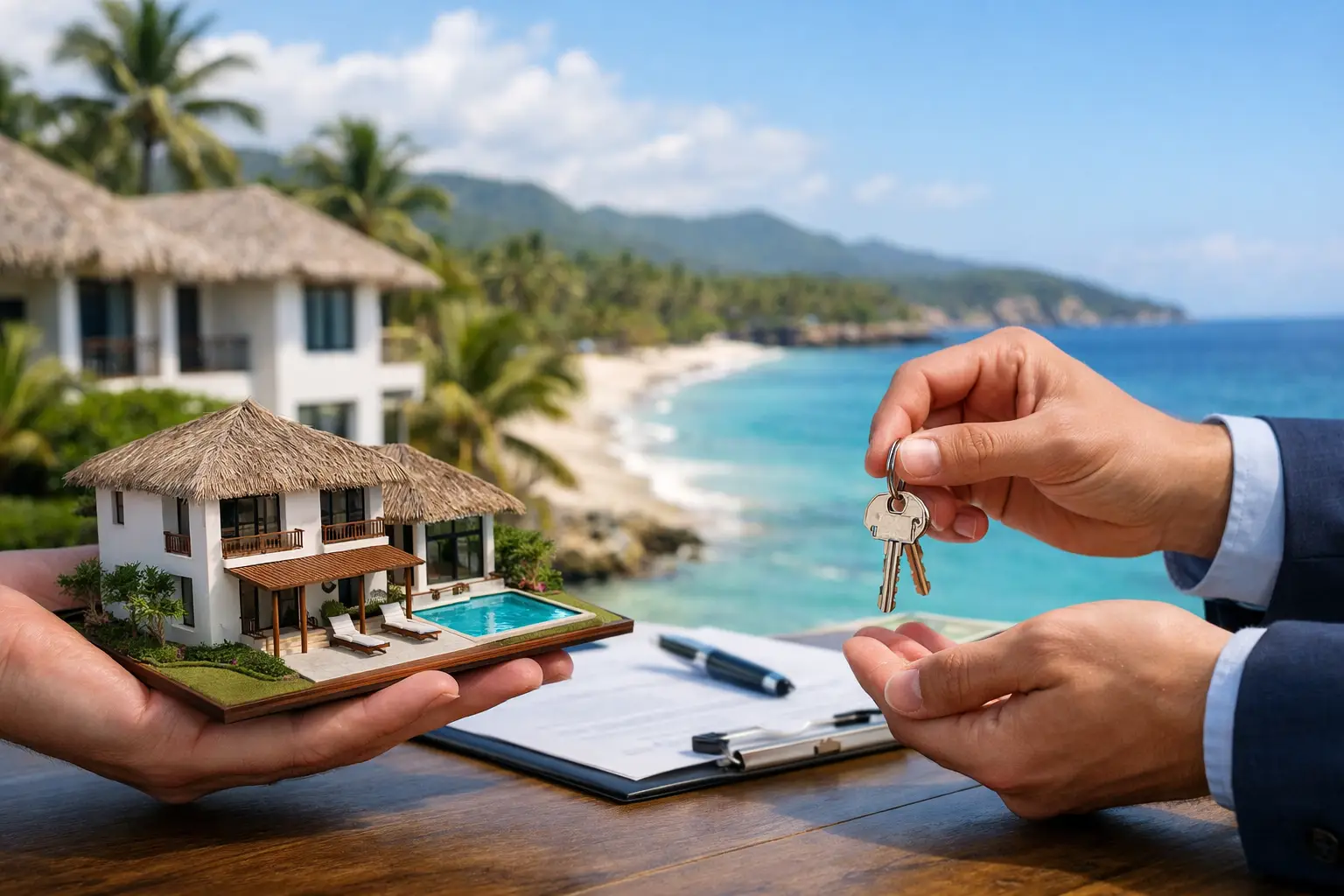
For many North American buyers, the Dominican Republic stands out because it offers beachfront and gated-community options at prices that often feel more accessible than comparable markets back home. But affordability alone is not the full story. The real value comes from understanding where to buy, how the purchase process works, and what ownership really looks like once the closing is done.
What buying property in Dominican Republic really involves
Foreign buyers are generally allowed to purchase real estate in the Dominican Republic, and ownership rights are broadly similar to those of local buyers. That is one reason the market attracts retirees, second-home buyers, and investors looking for both lifestyle and upside. Still, this is not a market where you want to make assumptions based on how transactions work in the US or Canada.
The process can be straightforward, but it depends heavily on proper title review, contract structure, tax planning, and local guidance. A beautiful villa, condo, or ocean-view home is only a good deal if the paperwork is clean and the property matches your intended use. A vacation home, a rental property, and a permanent residence can each raise different questions around location, fees, management, and financing.
Start with your real goal
Before looking at listings, it helps to decide what this property needs to do for you. Some buyers want a low-maintenance condo they can lock and leave. Others want a villa with outdoor space, a pool, and room for visiting family. Investors may care more about occupancy, rental appeal, and carrying costs than walkability or school access.
This matters because the right property type is rarely universal. A beachfront condo may sound perfect until you factor in HOA fees and salt-air maintenance. A larger home in a gated community may offer privacy and better long-term comfort, but it can come with higher upkeep and management needs if you are not living there full time.
In areas such as Sosua and Cabarete, those trade-offs become especially important. One community may fit a relaxed residential lifestyle, while another is better for short-term rental demand, water sports access, or a more social expat environment. Buying well is often less about finding the "best" property and more about finding the best fit.
The most important step is due diligence
If there is one place not to cut corners, it is due diligence. In the Dominican Republic, this means confirming that the seller has clear title, the property boundaries are properly documented, and there are no unresolved liens, claims, or legal issues attached to the property.
A reputable real estate professional and a qualified local attorney are both essential here. The agent helps you evaluate market value, neighborhood fit, and negotiation strategy. The attorney reviews title history, verifies documentation, and protects your interests through the contract and closing process. Those are separate roles, and both matter.
You will also want to confirm what exactly is being sold. With condos, that may include reviewing condominium rules, association fees, and any rental restrictions. With homes, it may mean checking construction permits, utility arrangements, and whether furnishings, appliances, or backup power systems are part of the sale.
Expect a different transaction rhythm
One mistake international buyers sometimes make is expecting the same pace and structure they know from home. Buying property in Dominican Republic can move quickly in some cases, but the rhythm is not always identical to a US or Canadian transaction.
A typical purchase often begins with an offer and negotiated terms, followed by a deposit once a purchase agreement is signed. After that comes legal review, title verification, and preparation for closing. If the property is part of a development or gated project, there may be additional documents to review.
Patience helps. So does working with professionals who communicate clearly and set expectations early. A smooth closing is not just about speed. It is about making sure each step is handled properly so there are no unpleasant surprises later.
Costs go beyond the sale price
Buyers should budget for more than the asking price. Closing costs, legal fees, transfer taxes, and ongoing ownership expenses all affect the real cost of ownership.
One of the key buyer costs is the property transfer tax, which is typically based on the government-assessed value or the purchase price, depending on how the transaction is evaluated. There may also be annual property tax considerations, although exemptions can apply in certain circumstances. On top of that, condo fees, insurance, maintenance, generator service, pool care, and security costs can all shape your monthly budget.
This is where buyers benefit from honest numbers rather than optimistic assumptions. A home that looks like a bargain on paper may feel less attractive once recurring costs are added in. On the other hand, a well-managed property in a strong community can justify higher fees if it protects value and reduces stress.
Financing is possible, but many buyers use cash
Financing options exist, but they are not always as simple or as attractive as what buyers may be used to in the US. For that reason, many international purchases in the Dominican Republic are cash transactions.
If you do plan to finance, start that conversation early. Lending terms, down payment requirements, and approval standards may differ significantly from what you expect. Some buyers choose to finance in their home country instead, using existing assets or credit structures they already understand.
The best path depends on your broader financial picture. Cash can give you stronger negotiating leverage and fewer moving parts. Financing can preserve liquidity, but only if the terms make sense and do not create unnecessary complexity.
Location matters more than first impressions
A property can look perfect online and still be wrong for your plans. That is why local market knowledge matters so much. Not every coastal community offers the same experience, even when listings appear similar in photos.
Some buyers prioritize beach access and walkability. Others want gated security, quiet surroundings, or proximity to restaurants, schools, and medical care. Investors may focus on rental demand patterns, management availability, and seasonal occupancy. These are not small details. They shape both your quality of life and your resale potential.
In north coast markets, for example, one neighborhood may attract retirees seeking a calm, established setting, while another appeals more to active buyers who want nightlife, surf, or a stronger vacation rental market. This is where a trusted local advisor becomes especially valuable. Ocean Side Realty helps buyers narrow those choices based on how they actually plan to live, invest, or spend time on the island.
New construction versus resale
Both options can work well, but they serve different priorities. New construction can offer modern finishes, energy-efficient systems, and attractive payment schedules during the build phase. It may also come with fewer immediate repair needs. The trade-off is that timelines can shift, and buyers should carefully review developer reputation, delivery terms, and what is included.
Resale homes and condos offer a more immediate picture of what you are buying. You can see the condition, the neighborhood feel, and often the exact carrying costs. In established communities, resale properties may also offer mature landscaping, stronger rental history, and a clearer sense of market value.
Neither option is automatically better. It depends on your tolerance for waiting, your appetite for risk, and whether you are buying for personal use, rental income, or both.
A smart purchase is a lifestyle decision and an investment decision
The strongest purchases usually balance emotion and discipline. You should absolutely love where you are buying. That is part of the point. But you also want to think about resale, maintenance, access, and long-term suitability.
Ask practical questions. Will this layout still work for you in five or ten years? If you plan to rent it, is there professional property management nearby? If you are relocating, does the area support your day-to-day needs beyond vacation season? These questions may not be as exciting as a sunset terrace, but they are often what separate a good purchase from a stressful one.
The Dominican Republic continues to attract buyers for good reason. The climate, scenery, and lifestyle are easy to understand the moment you arrive. The smarter part is making sure your purchase is supported by sound advice, clean legal work, and a property choice that fits the life you actually want to live.
A piece of paradise feels even better when you know you bought it the right way.