


A morning swim before work, lunch overlooking the Atlantic, and a home that can also serve as a long-term asset: that is the appeal drawing buyers to real estate in the Dominican Republic. Yet a successful purchase is built on more than a beautiful view or an attractive listing price. It requires clear goals, careful due diligence, and local guidance that protects both the lifestyle you want and the capital you are investing.
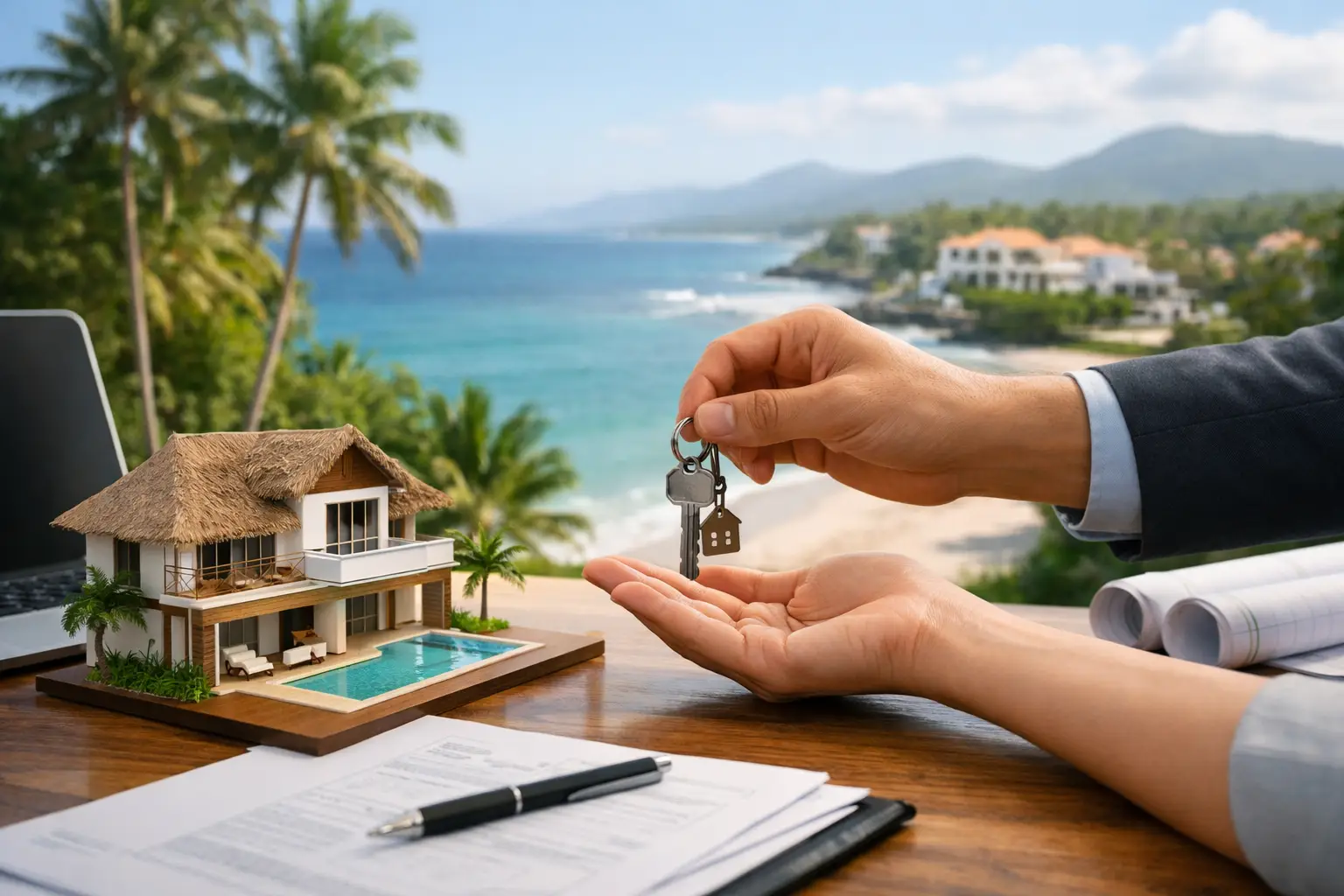
For American and Canadian buyers, the Dominican Republic can be an approachable place to own property. Foreigners generally have the same ownership rights as Dominican citizens, and established coastal communities offer a broad range of villas, condos, gated homes, and income-producing properties. The right fit depends on how you plan to use the home and how involved you want to be once you own it.
Start With the Life You Want to Live
The strongest property search begins with practical questions, not bedroom counts. Are you planning to relocate full-time, spend several winter months here, use the home for family vacations, or operate it as a rental? Each goal points toward a different type of property and community.
A full-time resident may prioritize reliable utilities, access to grocery stores and health care, walkability, and a neighborhood with year-round activity. A vacation-home buyer may prefer a turnkey condo with on-site management and a lock-and-leave setup. An investor may look more closely at rental demand, occupancy patterns, management fees, and restrictions on short-term rentals.
Lifestyle preferences matter, too. Sosua offers beach access, restaurants, services, and a well-established international community. Cabarete has a more active, outdoors-oriented energy, with strong appeal for kiteboarding, surfing, and beachfront living. Communities such as Casa Linda, Sosua Ocean Village, Sea Horse Ranch, and Perla Marina each have their own character, amenities, price ranges, and ownership considerations. There is no universally best location - only the one that works best for your intended life here.
What Buyers Can Expect From the Market
Property options range from modest condos near the beach to private villas with pools, ocean-view homes, and larger estate properties. Prices vary significantly based on title status, construction quality, proximity to the coast, road access, community infrastructure, and whether a home is furnished and ready to use.
A lower asking price is not automatically a better value. An older home may need upgrades to plumbing, electrical systems, roofing, windows, pool equipment, or backup power. A property outside a managed community may offer more freedom, but it can also place more responsibility for security, maintenance, road conditions, and utility arrangements on the owner.
Condos can make ownership simpler, particularly for buyers who will not be in the country year-round. However, association fees deserve close attention. Ask what they cover, whether reserves are being funded, how the building is maintained, and whether there are rules affecting pets, guests, renovations, or rentals. A well-managed condominium can be an excellent fit; an underfunded one can create avoidable future costs.
Due Diligence Is Where Confidence Comes From
The Dominican Republic has a formal property-registration system, but every buyer should complete a thorough legal review before funds are committed. This is not the stage to rely on verbal assurances, a seller’s copy of a document, or a familiar-looking listing description.
Your attorney should verify the Certificate of Title, confirm the seller’s legal right to sell, review any liens or encumbrances, and ensure property taxes are current. The legal team should also review the cadastral survey, commonly called the deslinde, to confirm that the property boundaries have been properly registered. For a condo, the review should include the condominium declaration and association obligations.
A professional inspection is equally worthwhile. Coastal conditions are beautiful but demanding. Salt air, humidity, heavy rain, and strong sun can accelerate wear on exterior finishes, air-conditioning systems, metal components, and roofs. An inspector can help identify repairs that may affect your offer, your renovation budget, or your decision to proceed.
If the property will be rented, request realistic operating records rather than relying on projected income alone. Look at actual bookings, seasonal performance, management costs, cleaning, utilities, maintenance, platform fees, and replacement reserves. Rental income can offset ownership costs, but it should never be treated as guaranteed.
Understand the Purchase Process and Costs
A typical purchase begins with an accepted offer and a written agreement that defines the property, price, deposit, due-diligence period, closing conditions, and timing. The structure can vary, especially for new construction or developer sales, but the principle remains the same: important terms should be documented clearly before money changes hands.
Once a purchase agreement is in place, the buyer’s attorney completes title and document review. At closing, the parties sign the transfer documentation, payment is released according to the agreed process, and the transfer is registered. Registration is a meaningful part of completing the transaction, not an administrative detail to overlook.
Buyers should budget beyond the purchase price. Closing expenses may include transfer tax, legal fees, registration charges, appraisal-related expenses when applicable, and costs associated with establishing utilities or property management. The exact total depends on the property and transaction structure, so obtain estimates early rather than making assumptions based on a purchase back home.
Financing is another area where expectations should be realistic. Many international buyers purchase with cash, use financing from their home country, or arrange private terms directly with a developer or seller. Local financing may be available in certain circumstances, but rates, qualification standards, required documentation, and timelines can differ from what North American buyers expect.
Choosing Between a Villa, Condo, and Gated Community
A villa offers privacy, outdoor living space, and the freedom to create a more personal retreat. It can be especially attractive for families, frequent entertainers, and buyers who want a pool, garden, or room for guests. The trade-off is greater responsibility: landscaping, pool care, staffing, security, and periodic maintenance all need active oversight.
A condo often offers a simpler ownership model. Shared maintenance, common-area security, and a location close to the beach or town can make it an appealing second-home option. The trade-off is less control, along with monthly fees and association rules.
Gated communities can fall somewhere between the two. They may provide security, roads, common amenities, and a more consistent neighborhood standard while still allowing owners to enjoy a detached home. Review the homeowners association budget and rules carefully. A community’s appearance and services are only as reliable as its management and financial health.
Think Beyond the Listing Photos
Visit at different times of day when possible. A quiet morning can feel very different from a busy weekend evening, and a property that appears close to the beach on a map may involve a steep walk, a noisy road, or limited parking. Test internet service, ask about backup power and water storage, and understand how trash collection, deliveries, and emergency access work.
It also helps to consider resale from the beginning. Homes with clear titles, good access, sound construction, attractive outdoor space, and broad buyer appeal tend to be easier to market later. Highly customized properties can be wonderful personal homes, but they may serve a narrower resale audience.
Buy With a Local Team You Trust
Cross-border purchases involve more moving parts than buying near home, but they do not need to feel overwhelming. A knowledgeable local real estate professional can help you compare communities honestly, identify questions before they become problems, and coordinate with qualified legal and inspection professionals. Ocean Side Realty works with buyers who want that kind of grounded, hands-on support in Sosua and Cabarete.
The best real estate decision is rarely the fastest one. Give yourself time to understand the neighborhood, examine the documents, calculate the full carrying cost, and picture an ordinary Tuesday in the home - not just a perfect vacation day. When the property supports both your practical needs and your vision of Caribbean life, a piece of paradise can become a place you are truly comfortable calling home.