


A lot of buyers ask this before they ever book a flight: can foreigners buy property in Dominican Republic? The short answer is yes. Foreign buyers generally have the same property ownership rights as Dominican citizens, which is one reason the country remains attractive for vacation homes, retirement moves, and income-producing real estate.
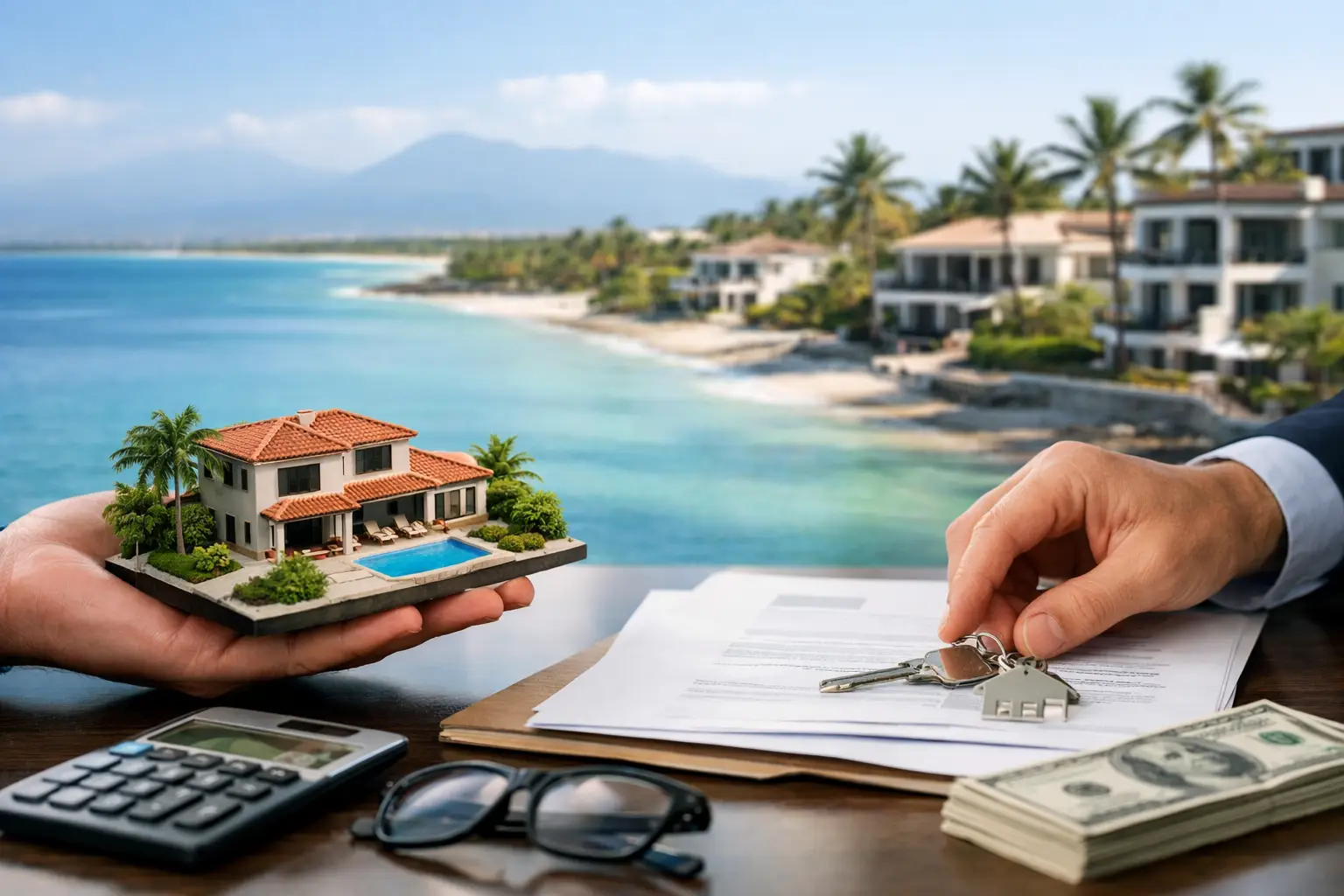
That said, buying here should feel exciting, not rushed. The opportunity is real, but so is the need for careful due diligence, clear documentation, and local guidance that protects your interests from the first showing to the final transfer.
Can foreigners buy property in Dominican Republic without residency?
Yes. You do not need to be a Dominican citizen or a legal resident to buy real estate in the Dominican Republic. Foreign individuals and foreign-owned companies can purchase titled property, and ownership is typically recorded through the same registry system used for local buyers.
For many US and Canadian clients, that is the first big relief. You can buy a condo near the beach, a villa in a gated community, a mountain-view home, or an investment property without first going through a residency process. If you later decide to relocate full-time, residency is a separate issue from your ownership rights.
Where buyers sometimes get confused is assuming that legal access means every property is equally safe to buy. It does not. The right to purchase is broad, but the quality of title, the accuracy of boundaries, and the strength of the paperwork can vary a lot from one property to another.
What foreign buyers are actually buying
In most cases, a foreign buyer is purchasing full ownership of a titled property. That can include a house, condo, lot, or villa. The strongest transactions involve a clean Certificate of Title, a recent survey, verified seller identity, and confirmation that there are no liens, unpaid taxes, or legal disputes attached to the property.
This matters because the Dominican market includes both straightforward resale homes and more complex situations, especially in developing areas or informal family holdings. A beautiful ocean-view home is only a great purchase if the legal foundation is just as solid as the view.
Condo purchases also need another layer of review. Beyond title, buyers should understand homeowners association fees, building rules, reserve funding, rental policies, and who manages the project. If you plan to rent the unit when you are not using it, those details matter as much as the purchase price.
The buying process is simple on paper, but details matter
The Dominican Republic does not block foreign ownership, and the transaction process is generally familiar in structure. You find a property, make an offer, sign a purchase agreement, complete due diligence, pay transfer taxes and closing costs, and then register the transfer.
The difference is in execution. Buyers should not rely on assumptions from the US or Canada. Practices around deposits, timelines, document collection, and project representations may differ. New construction, pre-construction, and resale purchases each carry different risk levels.
In a resale transaction, due diligence usually focuses on title, survey, taxes, seller authority, and property condition. In a pre-construction purchase, the focus expands to the developer's track record, permit status, delivery terms, escalation clauses, payment schedule, and exactly what is included in the unit.
That is why experienced local representation matters. A purchase can look easy until you discover the survey is outdated, the seller is acting through a representative without proper authority, or the rental income numbers were more optimistic than factual.
Costs foreign buyers should expect
The biggest mistake many buyers make is budgeting only for the sale price. The actual cost of buying includes transfer tax, legal fees, and any property-specific expenses that come up during review.
The Dominican Republic commonly charges a property transfer tax based on the assessed value used for tax purposes. Legal fees vary depending on the complexity of the transaction, the law firm, and whether the purchase involves a corporation, a financed deal, or development property. If you are buying in a community with amenities, you should also review monthly HOA fees, insurance, utility setup, and ongoing maintenance.
For investors, carrying costs deserve just as much attention as entry costs. A beachfront condo may be easy to market for rentals, but salt air, building maintenance, and management fees can change the real return. A villa with a pool may deliver stronger lifestyle appeal, but landscaping, staffing, and upkeep need to be part of the plan.
Financing is possible, but many foreign buyers pay cash
Can foreigners buy property in Dominican Republic with a mortgage? Sometimes, yes, but financing is not always as accessible or as simple as buyers expect. Local lending for non-residents can be more limited, and terms may not compare favorably to what many Americans are used to at home.
Because of that, cash purchases are common, especially for vacation homes, retirement properties, and lower-friction investment deals. Some buyers also use financing from their home country, such as a line of credit or refinancing another asset, rather than seeking a Dominican mortgage.
If financing is important to your purchase, bring that into the conversation early. It may affect what type of property you target, how quickly you can close, and whether the transaction remains attractive after all borrowing costs are considered.
The real risks are not foreign ownership rules
Most foreign buyers are relieved to learn that ownership itself is allowed. The larger concern is avoiding the wrong property or the wrong process.
Risk usually shows up in one of five places: unclear title, weak developer promises, incomplete disclosures, unrealistic income projections, or buying in an area that does not fit your actual goals. A buyer focused on retirement may want walkability, healthcare access, reliable utilities, and lower-maintenance living. A buyer focused on rentals may care more about guest demand, beach access, community rules, and year-round occupancy trends.
This is especially true in coastal markets where lifestyle can blur judgment. It is easy to fall in love with a terrace, a sunset, or a pool deck. It is smarter to ask harder questions about drainage, power backup, storm exposure, management quality, and resale demand.
Why local market knowledge changes the outcome
Not every area serves the same buyer equally well. In places like Sosua and Cabarete, for example, one community may be ideal for a lock-and-leave condo lifestyle, while another is better suited for a family villa, a kiteboarding rental market, or a longer-term relocation plan.
That is where a trusted local advisor adds real value. Good guidance is not just about opening doors. It is about narrowing choices based on how you want to live, what level of maintenance you can tolerate, whether rental income is essential, and how comfortable you are with different neighborhood dynamics.
It also helps you avoid overpaying for features that sound good in a listing but do not increase long-term value. Ocean view, walkability, gated security, backup power, and proven rental history can all matter, but not equally in every micro-market.
Should you buy personally or through a company?
It depends on your goals. Many foreign buyers purchase in their personal name because it is straightforward and appropriate for a second home or retirement property. Others consider buying through a company for estate planning, liability, or investment structuring reasons.
This is not a one-size-fits-all decision. Holding property in a corporate structure can add administrative obligations, and it is not automatically the best option just because someone says it sounds more sophisticated. The right setup should reflect your intended use, tax planning, ownership structure, and long-term exit strategy.
A smart purchase starts before the offer
The buyers who feel best after closing are usually the ones who got clear on their priorities early. They knew whether they wanted a vacation base, a retirement move, a part-time rental, or a pure investment. They understood their all-in budget. And they worked with professionals who knew how to verify what was being sold, not just how to market it.
If you are seriously considering a home in the Dominican Republic, start with the questions behind the purchase, not just the property itself. What kind of lifestyle do you want? How often will you use it? Do you want rental income, or peace and privacy? How important are beach access, medical services, gated security, and easy property management?
Those answers will shape whether the right purchase is a condo, villa, lot, or income property - and whether it belongs in a lively beach town, a private community, or a quieter residential area.
Foreign buyers absolutely can own real estate here, and many do so very successfully. The best results come when enthusiasm is matched with due diligence, local insight, and a clear plan for how your piece of paradise will fit into your real life. If you want help evaluating the right fit, Ocean Side Realty can guide you through the process with local knowledge and transparent support.