


A villa with a pool in Sosua, a beachfront condo near Cabarete, or a mountain-view home can feel like the beginning of a new chapter. Before any deposit changes hands, though, a thorough Dominican property lawyer review should be part of the plan. In the Dominican Republic, the lawyer you choose is central to verifying that the property, seller, documents, and proposed purchase terms are what they appear to be.
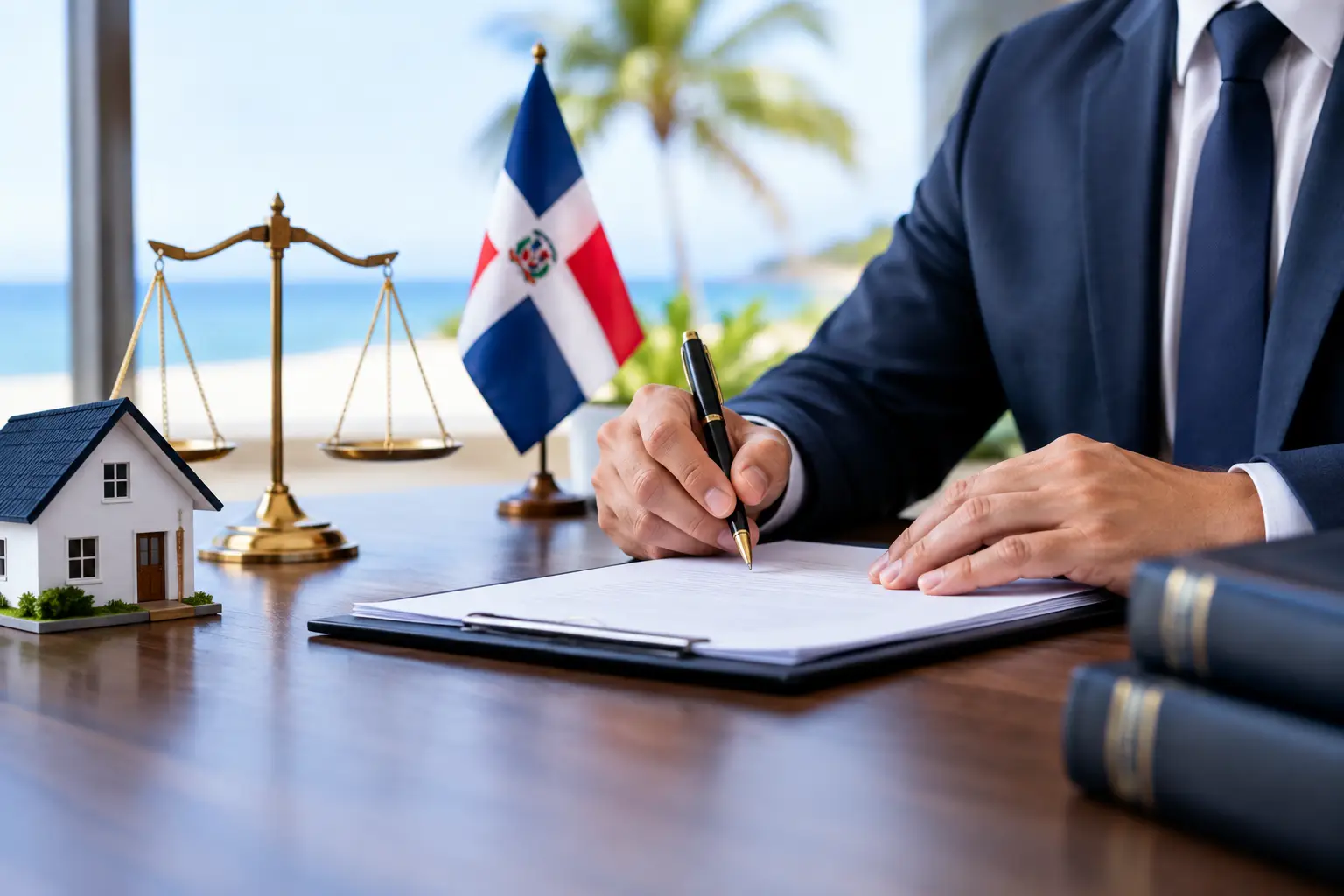
This is not a step to treat as a formality. A beautiful property may still have a title issue, unclear boundaries, unpaid obligations, or a contract that leaves too much unresolved. The right legal review gives international buyers the clarity to move forward with confidence while protecting the lifestyle and investment they came here to enjoy.
Why a Lawyer Is Essential in a Dominican Property Purchase
Dominican real estate transactions do not use the same closing framework that many American and Canadian buyers expect. There is no single standardized process that automatically protects every party. The buyer's attorney generally performs the due diligence, prepares or reviews the legal documents, confirms the property status, coordinates payments, and completes the registration process.
A real estate broker plays a different and equally valuable role. Your broker helps you identify suitable communities, compare property values, negotiate practical deal points, and understand the character of an area. An attorney focuses on the legal condition of the transaction. One does not replace the other.
For buyers relocating from abroad, independence matters. Your lawyer should represent your interests, not simply process paperwork for the seller or developer. That does not mean every party needs a separate lawyer in every situation, but buyers should understand who the attorney represents and what work is included before proceeding.
What a Dominican Property Lawyer Review Should Cover
A meaningful review goes well beyond looking at a copy of a title certificate. It is a fact-finding process that should connect the property you toured with the property that can legally be transferred.
Title, ownership, and legal capacity
The attorney should obtain and review the current Certificate of Title and confirm the registered owner. If a company owns the property, the review should also establish that the company is valid and that the person signing has authority to sell. If an estate, inheritance, divorce, or power of attorney is involved, additional documentation may be necessary.
The lawyer should also request an official title status certification from the appropriate land registry. This helps identify registered mortgages, liens, attachments, legal claims, or restrictions that could affect the transfer. A seller's verbal assurance that a property is free and clear is not a substitute for an official review.
Boundaries and survey status
Many buyers hear the word deslinde early in their search. In practical terms, this refers to a surveyed and legally defined parcel that can be clearly identified in the land registration system. A property with a properly completed deslinde generally offers a more straightforward path to transfer and financing than a property with unclear or unresolved boundaries.
Your attorney should compare the title, cadastral survey, and physical property. This is especially relevant for villas, land, and homes in areas where boundaries may be marked by walls, landscaping, or long-standing local assumptions. A fence does not establish a legal property line.
Taxes, fees, and outstanding obligations
The legal review should examine whether applicable property taxes are current and whether any transfer-related taxes will apply. Dominican transfer tax is commonly calculated as a percentage of the government-assessed value, although the final treatment depends on the property and transaction structure.
For a condo or home in a managed community, buyers should also ask about homeowners association fees, special assessments, utility balances, and community rules. A low monthly fee can be attractive, but it is worth understanding what it covers, whether reserves are adequate, and whether major work is anticipated.
The purchase agreement and payment protections
The purchase agreement should clearly identify the parties, property, price, payment schedule, closing deadline, included furnishings or equipment, and the conditions that must be met before closing. It should also state what happens if either party fails to perform.
Deposits deserve particular attention. A buyer should understand where funds will be held, who controls their release, and under what written conditions they may be refunded or applied to the purchase. Avoid relying on informal messages or assumptions about a payment arrangement. Clear contract language is far less stressful than resolving a disagreement later.
Questions to Ask Before Hiring a Property Lawyer
A lawyer's local knowledge and responsiveness can shape the entire experience. Rather than choosing solely on a recommendation or the lowest quoted fee, have a direct conversation about the proposed purchase and ask how the legal work will be handled.
Ask whether the attorney regularly represents foreign buyers in Dominican real estate transactions and whether they will personally oversee the file. Confirm what is included in the quoted legal fee, such as title review, contract drafting or review, tax coordination, filing, registration, and follow-up after closing. Also ask for an expected timeline and how the firm will communicate updates while you are outside the country.
It is reasonable to ask what documents will be reviewed and whether the lawyer anticipates any additional costs. A clear written scope does not guarantee that every issue can be predicted, but it prevents confusion about basic responsibilities.
A strong attorney should be comfortable explaining matters in plain English. Legal details can be technical, particularly when dealing with land registration and corporate documents, but you should never feel pressured to sign something you do not understand.
Red Flags That Call for a Closer Look
Not every concern means a transaction should end. Some matters can be resolved through additional documentation, a contract condition, a price adjustment, or more time. What matters is that the issue is identified before the buyer becomes committed.
Be careful when a seller cannot promptly provide a current title document, when the name on the title differs from the proposed seller, or when property boundaries are described casually rather than supported by survey information. Unpaid community fees, vague promises to complete permits later, and pressure to send a large deposit quickly also deserve careful review.
New construction and pre-construction purchases require their own level of scrutiny. Buyers should have an attorney review the developer's ownership rights, the project approvals available, the construction specifications, delivery date provisions, payment milestones, and remedies if the project is delayed. The appeal of buying early can be real, but the contract needs to reflect the added risk.
How the Review Fits Into a Smooth Closing Process
The best time to involve a lawyer is before signing a reservation agreement, offer, or purchase contract. In a competitive market, buyers may want to act quickly, and a well-written agreement can allow for due diligence while still showing serious intent. The specific structure depends on the property and the parties, so legal guidance should be tailored to the deal rather than copied from another transaction.
Once an agreement is in place, the attorney conducts the title and document review, addresses any identified issues, calculates applicable taxes and closing expenses, and prepares the documents for transfer. After signing and payment, the transfer is submitted for registration. Registration timing can vary, so buyers should ask how title delivery and post-closing confirmation will be managed.
For international owners, a good legal team can also advise on practical ownership questions, including whether to buy personally or through a company. There is no universal answer. Personal ownership may be simpler for many lifestyle buyers, while a company structure may make sense in certain estate-planning, investment, or partnership situations. The decision should be made with qualified legal and tax advice based on your circumstances.
A Dominican Property Lawyer Review Is Part of Buying Well
The goal is not to make a Caribbean property purchase feel intimidating. It is to replace uncertainty with a process that is careful, transparent, and suited to the property you have chosen. When Ocean Side Realty helps buyers narrow their search in Sosua, Cabarete, and nearby communities, legal due diligence remains a separate, essential layer of a well-managed purchase.
Your future home should be a place for morning swims, sunset dinners, rental income, or a well-earned slower pace - not an unresolved legal question. Choose an independent attorney early, ask direct questions, and give the review the time it deserves. That preparation helps turn a piece of paradise into a property you can enjoy with greater peace of mind.