


A condo near the beach can look perfect in photos. A villa with a pool can feel like the right move the moment you walk through the gate. But when you are buying in another country, emotion needs a process behind it. This Dominican Republic home buying guide is built for buyers who want both - the lifestyle upgrade and the confidence that they are making a sound decision.
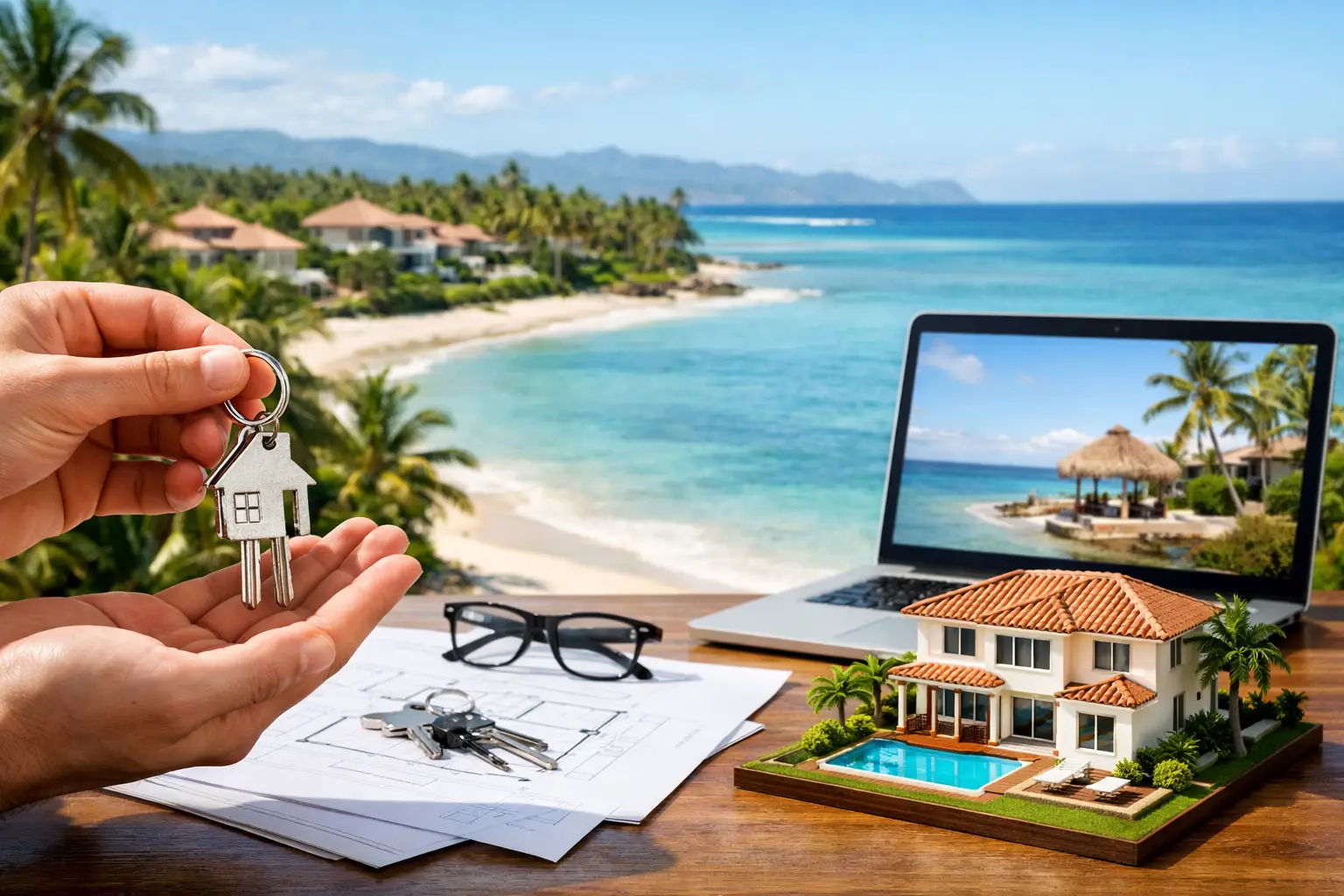
For many North American buyers, the appeal is easy to understand. You get warm weather, established expat communities, strong vacation appeal, and a range of properties that can serve as a primary home, second home, or rental investment. The part that deserves more care is how the transaction actually works, what costs to expect, and how to avoid buying the wrong property for your goals.
Who this Dominican Republic home buying guide is for
If you are relocating, retiring, buying a seasonal home, or looking for an income-producing property, your buying criteria will be different from day one. A retiree may care most about walkability, healthcare access, and low-maintenance living. An investor may be more focused on occupancy patterns, HOA rules, and property management. A family planning longer stays may prioritize security, space, and proximity to schools or services.
That is why the first step is not browsing listings. It is defining what this home needs to do for you over the next five to ten years. In the Dominican Republic, that clarity matters because the market offers very different property types within a short drive of each other.
Start with location, not just the house
A beautiful property in the wrong area will never feel quite right. Coastal buyers are often drawn to communities with reliable infrastructure, established amenities, and a comfortable mix of local life and international convenience.
In areas like Sosua and Cabarete, for example, the lifestyle difference between neighborhoods can be significant. One community may suit buyers who want a full-service gated setting with rental potential and shared amenities. Another may fit someone looking for a quieter residential feel, more land, or a stronger connection to beach town living. A beachfront condo, a mountain-view villa, and a home in a planned community can all serve very different lifestyles, even if the price points overlap.
The practical question is simple: when you wake up there every day, what kind of life do you want the property to support?
Understand what foreign buyers can expect
One of the reasons the Dominican Republic attracts international buyers is that the market is accessible to foreigners. In general, foreign buyers can own property in their own name. That said, easy access does not mean casual buying. The right purchase still depends on title review, legal due diligence, and a clear understanding of the property's carrying costs and use restrictions.
This is where buyers sometimes make the wrong assumption. They believe that because the entry point feels more approachable than in some other markets, the transaction is informal. It should not be. A well-structured purchase in the Dominican Republic should feel organized, documented, and professionally guided.
Build the right team early
The fastest way to reduce risk is to work with experienced local professionals from the beginning. That usually means a knowledgeable real estate advisor and an independent attorney who regularly handles Dominican Republic real estate transactions.
Your agent helps you narrow neighborhoods, compare values, identify red flags, and negotiate terms that fit the market. Your attorney handles legal verification, title review, document checks, and closing support. If you are buying from abroad, this matters even more because many decisions may happen while you are not physically present.
A strong local guide is especially valuable when comparing communities, ownership structures, and real carrying costs. Buyers often focus on list price and overlook monthly fees, reserve funds, maintenance standards, backup power, water systems, or short-term rental policies. Those details affect daily life and long-term value.
Budget for more than the purchase price
A realistic budget makes the entire process smoother. Beyond the agreed purchase price, buyers should expect closing-related costs, legal fees, and transfer taxes. Exact numbers can vary depending on the property and transaction structure, so it is smart to get a clear estimate before making an offer.
You should also budget for the costs that begin after closing. These may include HOA or condo fees, insurance, utilities, pool and garden service, furnishing, appliance replacement, generator or inverter maintenance, and property management if you will be away for long periods.
This is where trade-offs become real. A turnkey condo may have higher monthly fees but lower maintenance stress. A standalone villa may offer more privacy and stronger lifestyle appeal, but it often comes with more ongoing oversight. Neither is better in every case. It depends on how hands-on you want to be.
How the buying process usually works
While every transaction has its own details, the general path is straightforward. First, you identify the right property and agree on terms with the seller. Then a purchase agreement is prepared, a deposit is made, and the legal due diligence period begins. During that stage, your attorney confirms title status, verifies that the seller has the right to sell, checks for liens or encumbrances, and reviews the legal history of the property.
If the property is in a gated community or condominium, this is also the time to review association rules, fees, and any restrictions that may affect your intended use. If you are planning short-term rentals, that cannot be treated as an afterthought.
Once due diligence is complete and funds are ready, the sale closes and the transfer process moves forward. Buyers coming from the US or Canada should be prepared for some timing differences. Transactions can move efficiently, but they do not always follow the same rhythm buyers are used to back home. Patience helps, but so does having professionals who keep the file moving.
What to check before you fall in love with a property
Photos and ocean views sell the dream. The smarter questions protect the purchase.
Ask about title history, property boundaries, utility reliability, and whether the home has been consistently maintained. If it is a resale property, look closely at the age and condition of roofing, air conditioning, plumbing, windows, and backup power systems. If it is part of a community, review exactly what the monthly fees cover and whether the common areas reflect good financial management.
If you are buying for investment, go one layer deeper. Ask what kind of rental demand the location actually sees, not just during peak season but across the year. A property can be desirable and still underperform if its fees are too high, its layout is less rentable, or community rules limit flexibility.
Financing, cash purchases, and timing
Many foreign buyers in the Dominican Republic purchase with cash, especially for second homes and investment properties. Financing may be possible in some cases, but it is often less straightforward than buyers expect in their home country. If financing is part of your plan, start that conversation early rather than after you have chosen a property.
Cash buyers usually have more negotiating leverage and a simpler path to closing. Still, even a cash deal should never skip due diligence. Speed is useful only when the paperwork is clean.
Timing also matters in another way. Some buyers benefit from renting first, especially if they are unsure whether they prefer a lively beach town atmosphere, a gated villa community, or a quieter residential setting. A short rental period can save you from buying in the wrong micro-market.
Lifestyle fit is part of the investment
A home in the Dominican Republic is not just a line item on a spreadsheet. It is where you spend winters, host family, build a retirement chapter, or create rental income in a market people actively want to visit. That is why lifestyle fit and financial logic need to work together.
The best purchases usually happen when buyers are honest about their real priorities. If you want easy lock-and-leave ownership, choose convenience over square footage. If you want privacy and outdoor living, accept that management and upkeep may be part of the package. If rental return is your goal, do not buy based only on what you would personally enjoy for two weeks a year.
For buyers who want local guidance, Ocean Side Realty can help connect the big picture to the street-by-street reality that makes a property feel right.
Final thoughts before you buy
The strongest buyers are not the ones who move fastest. They are the ones who ask better questions, choose the right location for the life they want, and treat the process with the same care they would expect at home. In the right setting, buying here can be both practical and deeply personal - a smart purchase and a genuine piece of paradise.