


For many buyers, the property search starts with a view - oceanfront mornings, a pool terrace, a walkable beach town - and quickly turns into a bigger question: can this become home base? That is where dominican republic residency by investment enters the conversation. If you are buying with one eye on lifestyle and the other on long-term legal status, it helps to understand what residency can and cannot do, and how real estate fits into the picture.
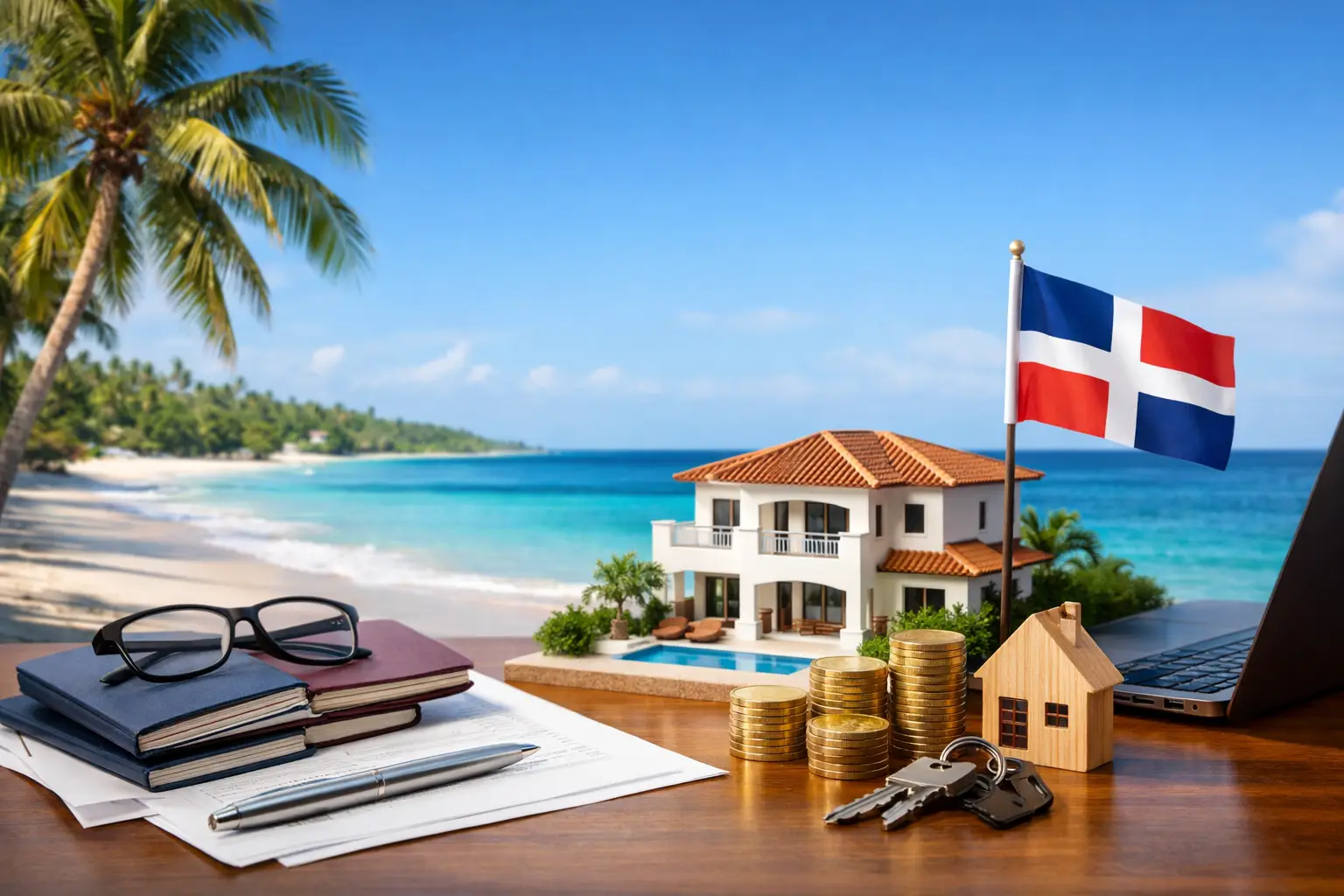
The Dominican Republic appeals to retirees, remote business owners, investors, and families for obvious reasons. The climate is warm, the cost of living can be attractive compared with many U.S. and Canadian markets, and there are established expat communities in places where day-to-day life feels manageable. But residency is not the same as simply owning a home. Buying property may support your relocation strategy, yet the legal path to residency follows its own rules and documentation.
How dominican republic residency by investment works
In practical terms, dominican republic residency by investment refers to obtaining residency through a qualifying economic contribution, which may include investment in local assets or businesses. The exact thresholds, procedures, and supporting requirements can change, and that matters because many buyers assume a real estate purchase alone automatically grants residency. Usually, it is not that simple.
What often happens is that an investor makes a qualifying investment and then applies through the appropriate residency process using evidence of that investment, along with background checks, identification documents, medical steps, and other supporting paperwork. The benefit of the investment route is that it may offer a more favorable timeline or process than standard residency categories, but the details depend on current regulations and your individual profile.
That is why buyers should treat residency planning and property buying as connected but separate tracks. A smart purchase can support your broader move. It should not be selected only because someone casually suggested that any condo or villa purchase guarantees residency.
Does buying property qualify you for residency?
Sometimes, but only if the investment meets the legal requirements in force at the time you apply and is properly documented. This is where buyers need to slow down and avoid assumptions.
A home purchase can absolutely be part of an investment-based case, especially for clients who want to spend meaningful time in the country and establish a real footprint here. Still, the outcome depends on investment amount, ownership structure, source-of-funds documentation, and the way the application is prepared. If the property is held under a company, shared with relatives, financed in a particular way, or purchased below the threshold that immigration authorities recognize, the analysis may change.
For that reason, the best approach is to think in layers. First, choose the right property for your goals. Second, confirm whether that purchase supports the residency route you want to pursue. Third, coordinate early with qualified legal and immigration professionals so the transaction and the residency file do not work against each other.
Why real estate is still central to the decision
Even when residency is not automatic, real estate remains central for many international buyers because it turns a tentative plan into a practical one. Owning a property gives you a place to live, a base for seasonal stays, and in some cases an income-producing asset when you are away. It also signals that your move is not theoretical.
That matters especially for buyers comparing the Dominican Republic with other Caribbean or Latin American markets. If you are considering residency, you are usually not just chasing a legal status. You are choosing a lifestyle, a neighborhood, and a day-to-day routine. A beachfront condo may suit someone who wants low maintenance and walkable convenience. A villa in a gated community may make more sense for a retiree or family prioritizing privacy, security, and space.
In north coast markets like Sosua and Cabarete, buyers often weigh a mix of personal use and long-term value. Some want a lock-and-leave vacation property that can later become a primary residence. Others are planning a full relocation within two to five years and want to buy ahead of that move. Residency planning tends to be strongest when the purchase supports the life you actually want to live here.
Costs, timelines, and trade-offs
The most common mistake is underestimating the total process. The investment itself is only one part of the equation. You may also face legal fees, translation and apostille costs, government filing fees, medical exams, corporate setup costs if applicable, and ongoing renewal requirements depending on your status.
Timelines can also vary more than buyers expect. A clean file with strong documentation generally moves more smoothly than a case with inconsistent financial records, outdated personal documents, or ownership structures that require extra explanation. If your plan involves both closing on property and pursuing residency, build in time for due diligence, title review, fund transfers, and document preparation. Trying to compress everything into one rushed trip can create avoidable stress.
There are trade-offs too. A buyer focused purely on residency may be tempted to purchase based only on price or threshold. That can backfire if the property is in a weak location, has poor resale appeal, or does not fit your lifestyle. On the other hand, a dream property that fits your vision perfectly may not align with the residency route you assumed it would support. The better strategy is to balance legal goals with market quality.
Choosing a property with residency in mind
If residency is part of your plan, the property search should be more disciplined. Location matters, but so do documentation, ownership clarity, and long-term flexibility.
A well-chosen property should stand on its own as a sound purchase. That means looking closely at title quality, community rules, maintenance costs, infrastructure, rental potential if that matters to you, and exit value. Buyers planning a move often benefit from focusing on areas with reliable services, strong road access, nearby healthcare, and an established owner community. Those are practical issues, not glamorous ones, but they shape your quality of life more than a brochure ever will.
This is also where local guidance becomes valuable. Markets can look similar online and feel very different in person. One community may be ideal for seasonal rental income, while another is better suited for full-time living. One area may offer the privacy and amenities you want, while another makes daily errands easier. If your property may become part of a residency strategy, those differences matter even more because you are not just buying an asset. You are choosing your base.
What to ask before you buy
Before moving forward, ask direct questions and expect clear answers. Does the planned investment appear to meet current residency criteria? How should ownership be structured? What documents will be needed to prove the investment and source of funds? How long should you expect the process to take? Are there tax or estate planning issues to consider as a U.S. or Canadian buyer?
You should also ask whether the property itself has any issues that could complicate the file later. Unclear title, informal agreements, missing records, or unresolved construction permits are not just closing concerns. They can create bigger problems when you need to present the investment formally.
A reliable real estate advisor can help you find the right property and coordinate with the legal side, but that role should complement legal advice, not replace it. The strongest results usually come when your agent, attorney, and immigration professionals are aligned early.
Is dominican republic residency by investment worth it?
For the right buyer, yes. If you already want to spend serious time in the country, own property here, and create a more permanent connection, the residency route can make practical and financial sense. It may simplify longer stays, support future planning, and give structure to a relocation that is already taking shape.
But it is not a one-size-fits-all solution. If you are still in the early vacation-home stage, or if your budget only works for a purchase that barely fits your goals, it may be better to buy well first and revisit residency later. A rushed investment made for paperwork alone rarely feels satisfying once real life begins.
For many buyers, the best path is steady and intentional. Start with the lifestyle you want, choose property that holds its value and supports that plan, and then build your residency strategy around a strong foundation. When those pieces line up, the move feels less like a gamble and more like the beginning of something that fits.
If the Dominican Republic is becoming more than a place you visit, take the time to get both the property decision and the residency decision right. The reward is not just a legal status. It is the chance to create a life here that feels grounded, comfortable, and genuinely your own.