


A morning swim before breakfast, a walk to the beach, and the freedom to enjoy the Caribbean on your own schedule can look very different depending on where you buy. The gated community versus standalone home decision is not simply about a gate or a larger lot. For buyers in Sosua and Cabarete, it shapes daily convenience, monthly costs, privacy, rental plans, and how much responsibility comes with owning a piece of paradise.
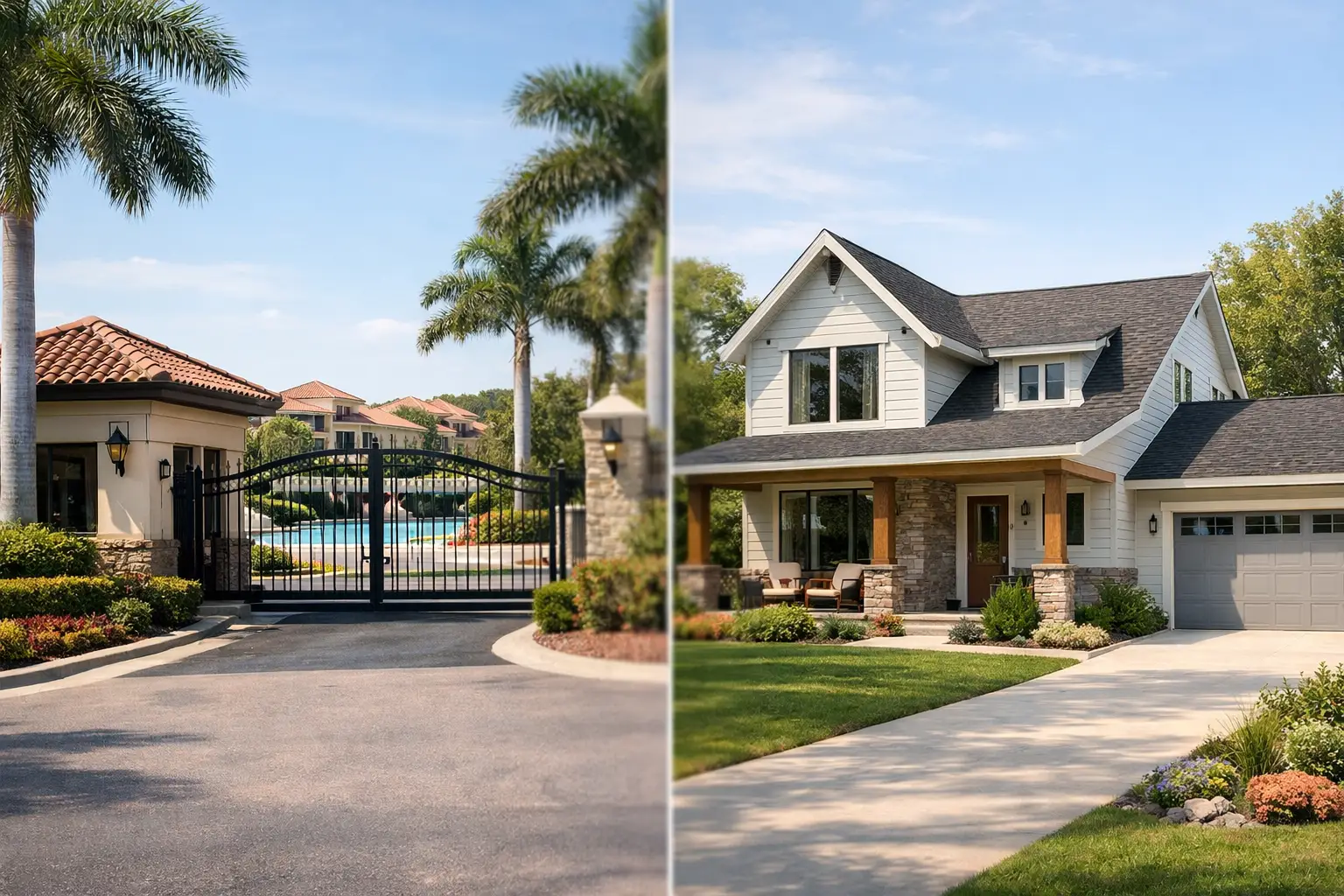
The right answer depends on why you are buying. A retiree who plans to spend six months a year in the Dominican Republic may value lock-and-leave simplicity. A family relocating full-time may prioritize outdoor space and the ability to personalize a home. An investor may focus first on rental demand, operating costs, and professional management options. Each path can be an excellent fit when the property, community, and ownership plan align.
What a Gated Community Can Offer
Gated communities range from intimate villa enclaves to established residential developments with hundreds of homes. In the Sosua and Cabarete area, communities such as Casa Linda, Sosua Ocean Village, Sea Horse Ranch, and Perla Marina appeal to buyers for different reasons, but they often share a structured approach to security, maintenance, and shared amenities.
The immediate advantage is predictability. A community may have controlled entry, 24-hour security, maintained roads, landscaping, backup infrastructure, an on-site restaurant, beach access, tennis, fitness facilities, or a water system. Not every development provides every feature, so buyers should assess the actual offering rather than assume that the word “gated” guarantees a certain standard.
For an owner who lives abroad part of the year, this structure can bring genuine peace of mind. A staffed gate and active property management team can make it easier to leave a villa unoccupied between visits. Community staff may also coordinate maintenance, receive deliveries, or identify a problem before it becomes a costly repair. That is especially valuable in a tropical climate, where pools, gardens, roofs, air conditioning, and humidity control benefit from regular attention.
There is also a social benefit that many relocating buyers appreciate. Established communities can make the first year abroad feel less isolating. Neighbors may share reliable service contacts, restaurant recommendations, school information, and practical advice about island life. For some people, that sense of connection is a major part of the purchase.
The Trade-Off: Fees and Rules
Community living comes with association fees, commonly referred to as HOA fees. These may cover security, road maintenance, common-area landscaping, garbage collection, water, insurance for shared assets, administration, and amenities. The amount can vary widely based on the development and the services included.
A low monthly fee is not automatically a better value. Buyers should ask what it covers, whether the reserve fund is adequate, how fee increases are approved, and whether there are any planned special assessments. Reviewing the community rules, financial information, and current fee schedule is just as important as reviewing the villa itself.
Rules can also affect how you use the property. Some communities have standards for exterior changes, parking, pets, noise, construction hours, and short-term rentals. These guidelines protect the appearance and atmosphere that attracted many owners in the first place, but they may feel restrictive to a buyer who wants complete flexibility. If rental income is part of your plan, confirm the community’s rental policy before making an offer, not after closing.
Why a Standalone Home Appeals to Many Buyers
A standalone home generally offers more independence. It may sit on its own parcel, outside a managed development, or in a less structured residential area. The appeal is easy to understand: more control over the property, fewer community rules, and often a stronger sense of privacy.
For buyers who envision a custom Caribbean home, a standalone property can offer room to create it. You may have greater freedom to redesign the garden, add a guest casita, build an outdoor kitchen, adjust the pool area, or shape the home around a multigenerational lifestyle. Larger lots and more separation from neighbors can also be attractive to families, pet owners, and anyone who prefers a quieter setting.
Standalone homes can sometimes provide more buying power as well. In certain locations, a buyer may find a larger home, a better view, or more land for the same budget as a comparable villa in a premium gated community. That comparison is never one-size-fits-all. Location, road access, construction quality, water supply, and proximity to the beach can change the value equation quickly.
More Freedom Also Means More Oversight
Without a formal community structure, the owner is responsible for arranging and managing more of the property’s needs. Security may involve private guards, cameras, lighting, alarms, perimeter walls, or a combination of these. Road conditions, garbage service, landscaping, water delivery, septic systems, backup power, and internet reliability all deserve careful evaluation.
This does not mean standalone ownership is difficult. It means the buyer should be comfortable building a reliable local support team. A trusted property manager, pool technician, gardener, housekeeper, maintenance professional, and security provider can make ownership straightforward, especially for seasonal residents. The cost and availability of these services should be part of the budget from the beginning.
A standalone home can also require more detailed due diligence. Confirm the property boundaries, access rights, utility arrangements, condition of the road, drainage patterns, and any shared infrastructure. During the rainy season, water flow and road access can look very different than they do on a sunny viewing day. A local real estate professional can help identify the questions that may not be obvious to a first-time buyer in the Dominican Republic.
Gated Community Versus Standalone Home for Rental Income
For investors, the choice often comes down to guest appeal and operating discipline. A well-run gated community can be easier to market to vacation renters who value security, attractive common areas, reliable infrastructure, and a recognizable location. If the development has a strong reputation and established rental activity, that can support demand.
However, rental rules matter. Some communities limit the number of short-term rental days, require guest registration, charge rental-related fees, or prohibit certain types of bookings. Those restrictions may be entirely reasonable, but they need to fit your revenue model. Ask for the policies in writing and understand any management requirements before relying on projected income.
A standalone villa can be compelling for groups seeking privacy, larger outdoor areas, or a more secluded vacation experience. It may also give an owner greater control over pricing, guest policies, and improvements. Yet the owner must ensure the home offers the practical features guests expect: dependable Wi-Fi, backup power where needed, pool care, clear arrival instructions, responsive management, and appropriate security.
The strongest rental property is not always the one with the highest nightly rate. It is the one that matches a defined guest profile and can be operated consistently. A family-oriented villa near schools and services has a different market than a luxury estate, a surfer-friendly Cabarete home, or a quiet retreat near Sosua.
Questions to Ask Before You Choose
Before falling in love with a view or a pool, picture an ordinary Tuesday at the property. Who will manage repairs when you are away? How much privacy do you want? Do you welcome a social neighborhood, or would you rather have distance from neighbors? Is short-term rental income essential, optional, or not part of the plan?
Then compare the total annual cost, not just the purchase price. For a gated home, include HOA fees alongside utilities, insurance, furnishing, maintenance, and property management. For a standalone home, estimate private security, road or exterior upkeep, pool and garden care, systems maintenance, and contingency funds. A lower monthly fee can be offset by higher individual expenses, while a higher HOA fee may replace costs you would otherwise manage separately.
It is also wise to visit at different times of day. Listen for traffic, nearby construction, dogs, music, and activity around the property. Drive the route to groceries, medical services, restaurants, beaches, and the airport. The perfect house should support the way you actually intend to live, not only the way it feels during a two-hour showing.
Choose the Ownership Experience You Want
A gated community is often the better fit for buyers seeking structure, shared amenities, security, and easy ownership from abroad. A standalone home may be the better fit for those who value space, customization, privacy, and direct control. Neither is inherently superior. The best choice is the one that makes your time in the Dominican Republic feel more enjoyable, not more complicated.
Ocean Side Realty can help you compare specific homes and communities with an honest view of the costs, rules, lifestyle, and local details behind each option. The goal is not simply to find a property that photographs beautifully. It is to choose a home that gives you confidence each time you arrive, settle in, and make the island your own.