


A lot of retirement plans look great on paper until daily life shows up. The real question is not whether Sosua is beautiful - it is. The question is how to retire in Sosua in a way that fits your budget, lifestyle, health needs, and long-term comfort.
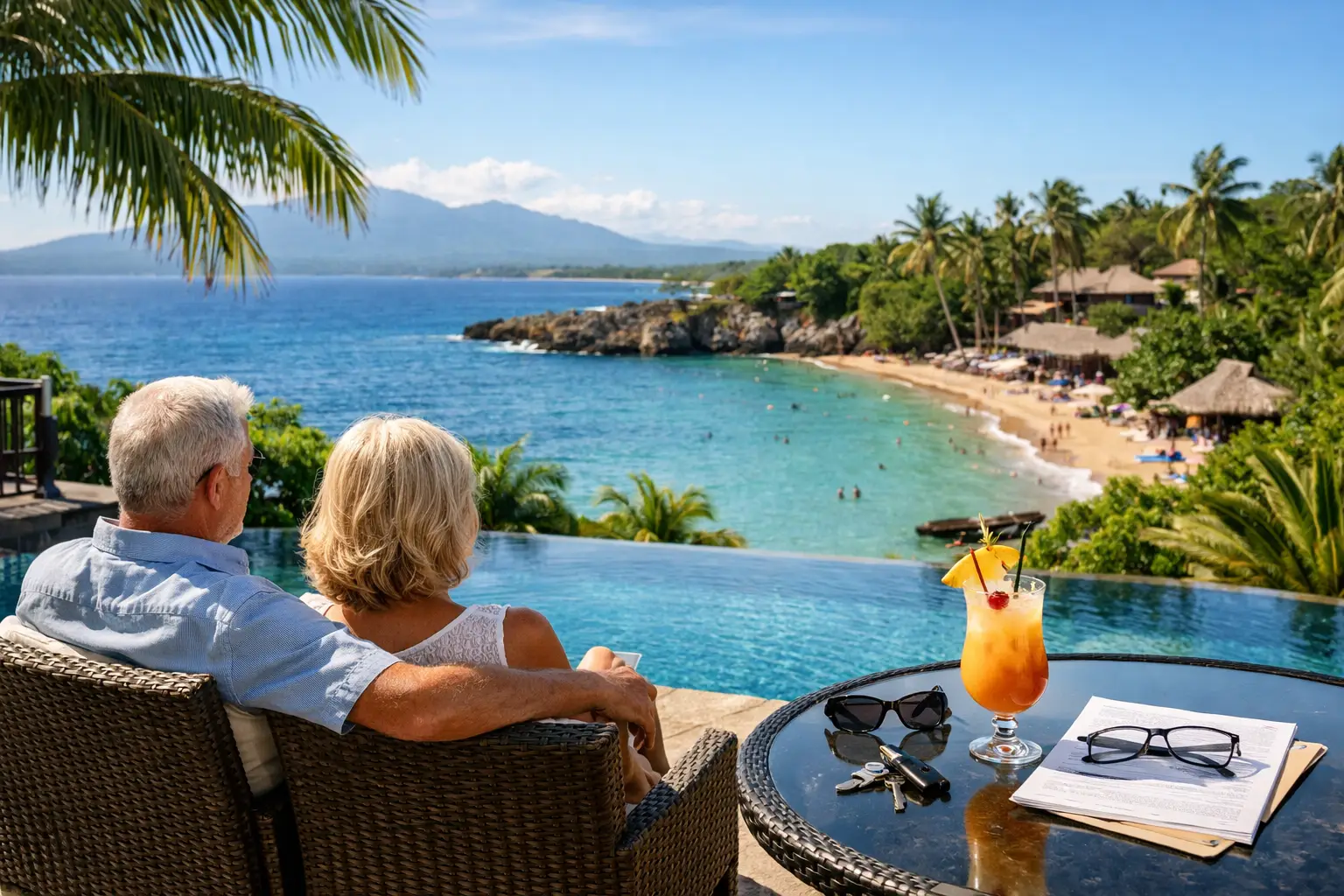
For many Americans and Canadians, Sosua stands out because it offers something hard to find elsewhere: warm weather, an established expat community, beach access, and a range of housing choices that can work for both modest and upscale retirement plans. But a smooth move here usually comes from doing the practical work first, not just falling in love with the ocean view.
Why retirees choose Sosua
Sosua appeals to retirees who want a coastal lifestyle without giving up convenience. You can find restaurants, grocery stores, medical services, private residences, and social opportunities within a relatively compact area. That matters more in retirement than many people expect. Living in paradise is one thing. Living somewhere that is easy to navigate week after week is another.
The town also gives buyers choices. Some retirees want a low-maintenance condo close to everything. Others want a villa in a gated community with a pool, more privacy, and room for visiting family. That flexibility is one of Sosua's strongest advantages.
There are trade-offs, of course. Sosua is active, international, and lively. If your ideal retirement means total quiet and very little tourism, some sections may feel busier than you want. The good news is that neighborhood selection can solve much of that.
How to retire in Sosua with a realistic plan
The best retirement moves start with clarity. Before you shop for property or compare neighborhoods, define what retirement here needs to look like for you.
Think about your monthly spending comfort zone, whether you plan to rent first or buy right away, how often family will visit, and what level of healthcare access you want nearby. Also consider how independent you want to be from driving. Some retirees love having everything close by. Others are happy in a residential community a little farther out if it means more space and privacy.
This is where many people make their first mistake: they build the plan around a dream property instead of their actual lifestyle. A beautiful home that feels isolated, expensive to maintain, or inconvenient for medical appointments can become a burden. Retirement works better when the property supports your day-to-day routine.
Residency and legal setup
You do not need to solve every immigration detail on day one, but you do need a legal and financial plan. Many retirees begin by spending extended time in the Dominican Republic before deciding on long-term residency options. That approach can make sense because it gives you time to test neighborhoods, climate, shopping patterns, and healthcare providers before making larger commitments.
Residency requirements can change, and your best path may depend on income sources, documentation, and how much time you plan to spend in the country each year. That is why retirees should work with qualified legal and relocation professionals rather than relying on old forum advice or secondhand stories from other expats.
The same goes for banking, taxes, and estate planning. Retiring abroad often affects more than housing. It can touch pension income, Social Security, insurance, inheritance planning, and the way you structure ownership. A little professional guidance early can prevent expensive problems later.
Renting first vs. buying a home
If you are still figuring out how to retire in Sosua, renting first is often the smartest move. It gives you time to learn which areas feel right in different seasons, how much traffic or activity you are comfortable with, and whether condo living or a private villa better suits your routine.
Buying, however, can be the right decision if you already know the market, visit frequently, and want to establish a true home base. Many retirees prefer ownership because it creates stability and lets them tailor the property to their needs, especially if they want accessibility upgrades, guest space, or a secure lock-and-leave setup for travel.
There is no one-size-fits-all answer here. Renting reduces commitment and allows testing. Buying can offer long-term comfort, lifestyle control, and investment value. The better choice depends on your timeline and how certain you are about where and how you want to live.
Choosing the right neighborhood for retirement
Retirement in Sosua is not just about the town. It is about the specific area and community you choose.
Some retirees want to be near the center, where restaurants, shops, and services are easy to reach. Others prefer established residential communities that offer security, quieter surroundings, and a more private feel. Gated neighborhoods can be especially appealing for retirees who travel back and forth to the US or Canada, since they often provide property management support and a stronger sense of structure.
Communities such as Casa Linda, Sosua Ocean Village, and Sea Horse Ranch appeal to different types of buyers. One may offer stronger value for spacious villas, another may feel more resort-style, and another may attract buyers looking for premium privacy and amenities. The right fit depends on your budget, social preferences, maintenance tolerance, and whether you want to be in the middle of activity or slightly removed from it.
This is where local guidance matters. Two homes with similar photos can produce very different retirement experiences depending on road access, elevation, service reliability, walkability, and community rules.
Understanding the cost of retirement
Sosua can be more affordable than many US coastal markets, but affordability depends heavily on how you choose to live. A retiree in a modest condo with local shopping habits will experience a very different monthly budget than someone in a luxury villa with full-time staff, imported groceries, and frequent dining out.
Housing is only one part of the picture. You should also account for utilities, internet, backup power needs, transportation, insurance, property maintenance, and healthcare. If you buy a home, ask detailed questions about HOA fees, security, pool upkeep, gardening, and generator systems. Those costs are manageable when understood up front. They become frustrating when treated as an afterthought.
Many retirees are pleasantly surprised by the value they can find here, especially compared with major US and Canadian cities. Still, the lowest purchase price is not always the best retirement value. A home that saves money upfront but creates ongoing hassle can cost more in the ways that matter.
Healthcare and aging comfortably
Healthcare should be part of your housing decision, not a separate topic. As retirement progresses, convenience matters more. Being within a reasonable distance of clinics, pharmacies, and trusted providers brings peace of mind.
Some retirees maintain a mix of local care and treatment in their home country, especially for specialist visits. Others build most of their healthcare routine locally. Your ideal setup depends on your medical history, insurance arrangements, and comfort level.
It is wise to think beyond your current health. The better retirement plan is the one that still works if mobility changes, driving becomes less appealing, or regular care becomes more important. Single-level living, reliable access roads, and manageable property upkeep may not feel urgent now, but they often become very important later.
Everyday life matters more than the postcard view
One of the best ways to judge retirement readiness is to picture an ordinary Tuesday. Where will you buy groceries? How easy is it to meet friends for lunch? Will stairs become an issue? Do you want to hear nightlife, or do you want quiet after sunset? These questions sound small, but they shape whether a place feels restful or inconvenient.
Retirees who thrive here usually build a balanced life. They enjoy the beach and sunshine, but they also choose homes that make errands, maintenance, safety, and social life easy to manage. That is what turns a nice destination into a sustainable retirement.
If you are serious about making the move, spend time here with intention. Tour different property types. Stay in more than one neighborhood. Ask practical questions. A trusted local real estate advisor can help you compare options honestly, not just show you what looks good in listing photos.
Sosua can be a wonderful place to retire, but the best retirement here is not accidental. It comes from matching the right home to the life you actually want to live.