


The question usually starts after one winter too many. You look at another heating bill, another gray week, another round of “maybe in a few years,” and begin seriously asking whether you could retire in Dominican Republic and actually enjoy more life for less money.
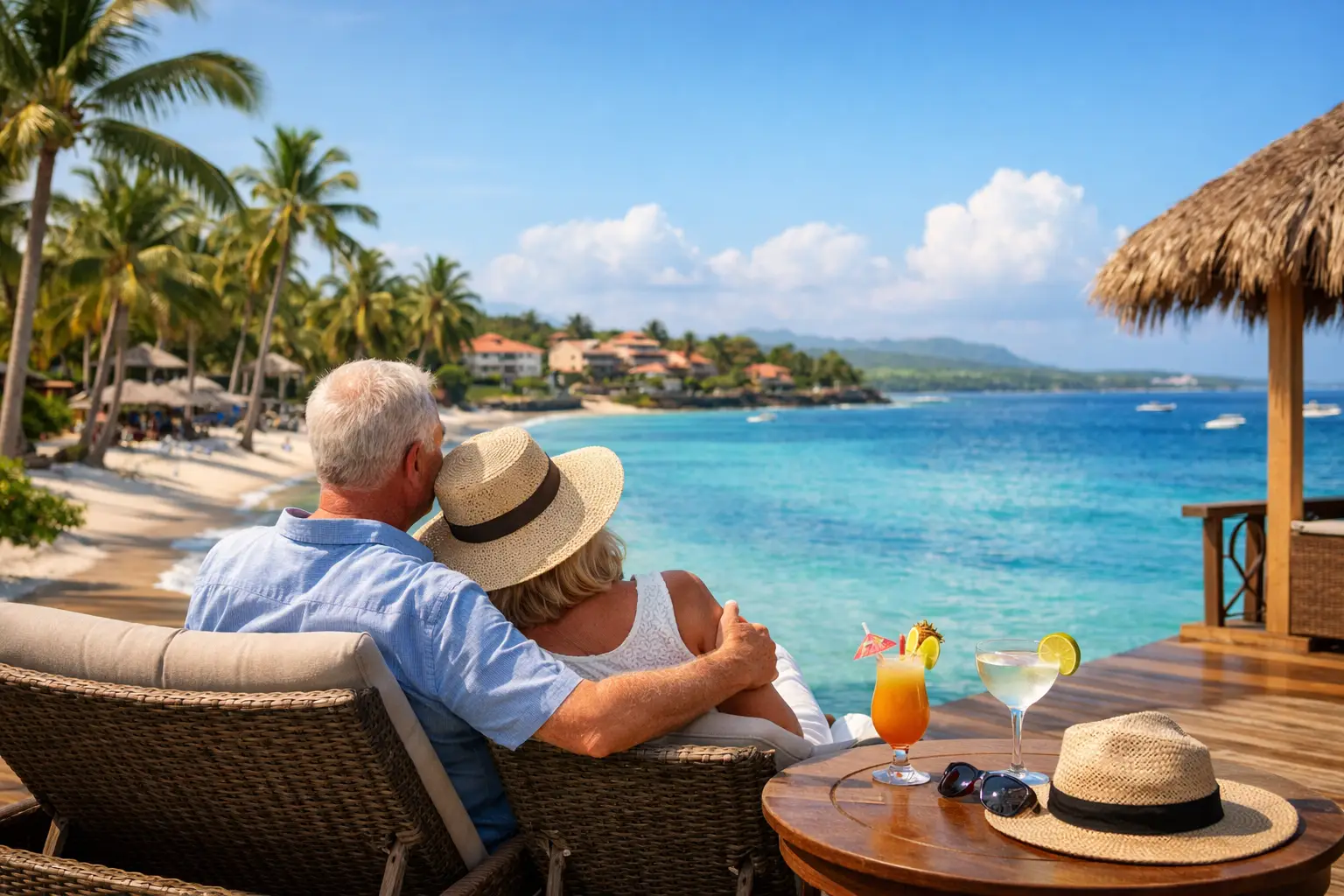
For many Americans and Canadians, the answer is yes - but not in a fantasy-brochure way. The Dominican Republic can offer warm weather, ocean access, established expat communities, full-service condos, private villas, and a lower cost of living than many parts of the US. At the same time, retirement here works best for people who understand the trade-offs, choose the right location, and plan the move with clear eyes.
Why people retire in Dominican Republic
The appeal is easy to understand. Daily life can feel lighter here. You may be able to swap snow shovels for morning walks, long commutes for beach access, and a high-maintenance house for a condo or villa designed around outdoor living.
Cost matters too. While the Dominican Republic is not the bargain it was twenty years ago, many retirees still find they can stretch their housing dollars further than in Florida, Arizona, or much of coastal Canada. Dining out, household help, and some everyday services are often more affordable. If your retirement income is fixed, that difference can create breathing room.
Lifestyle is the other half of the equation. Some retirees want a quiet residence with security, a pool, and easy airport access. Others want a more social setting, nearby restaurants, a walkable beach town, or a property that can also serve visiting family. In north coast communities such as Sosua and Cabarete, buyers often look for exactly that mix - comfort, convenience, and a strong sense of place.
The real cost of retirement here
One of the biggest mistakes people make is assuming every expense will be dramatically lower. Some are. Some are not.
Housing depends heavily on location, view, amenities, and whether you rent or buy. A modest inland apartment will have a very different monthly cost than a beachfront condo or a villa in a gated community. HOA fees, generator systems, backup water, pool maintenance, and security can all be worthwhile, but they need to be part of the budget from day one.
Healthcare can be affordable by US standards, especially for routine care and many private services. Imported goods, specialty foods, and certain medications may cost more than expected. Electricity can also surprise new residents, particularly if air conditioning runs all day.
That is why retirement budgeting here should be built around your lifestyle, not someone else’s number. The couple who cooks at home, lives in a well-managed condo, and drives sparingly will spend very differently from the retiree who wants frequent dining out, full-time house staff, and a large standalone property.
Residency, visas, and legal planning
If you plan to spend substantial time in the country, it makes sense to look beyond a simple tourist stay and understand your residency options. The Dominican Republic has long been attractive to retirees in part because there are established legal pathways for foreign residents, including pension-based residency in some cases.
This is one area where guessing is expensive. Rules, documents, and processing timelines can change, and retirement income requirements need to be verified through current legal channels. You will want qualified local legal advice for residency, title review, and property transactions rather than relying on forum posts or secondhand stories.
Good planning also means thinking about taxes, estate issues, banking, and how your income will be received abroad. The right setup depends on whether you are moving full time, splitting time between countries, or purchasing a home first and relocating later.
Healthcare and day-to-day peace of mind
Healthcare is one of the first practical questions serious retirees ask, and rightly so. The Dominican Republic has private healthcare options that many expats use with confidence, especially in larger towns and cities. For routine doctor visits, diagnostics, and many common procedures, private care can be both accessible and cost-effective.
But this is not just about clinic prices. It is about how close you want to be to quality care, whether you have existing conditions, and how comfortable you are navigating a different healthcare system. Some retirees prioritize being within easy reach of strong medical services and international airports in case more specialized treatment is ever needed.
Insurance deserves equal attention. Some people keep international coverage, others combine local private options with emergency planning, and some maintain a medical connection back home. There is no single best answer. The right choice depends on age, health history, and how often you expect to travel.
Where you live matters more than most people expect
If you want to retire in Dominican Republic successfully, choosing the right community matters as much as choosing the right property.
A home that looks perfect online can feel isolated in practice. A lower-priced property may involve longer drives, fewer services, or more upkeep than you want in retirement. On the other hand, a well-located condo or villa in an established neighborhood may cost more upfront but make daily life much easier.
This is especially true for retirees who want walkability, social connection, property management, and easy access to restaurants, beaches, and healthcare. In parts of Sosua and Cabarete, for example, buyers often narrow their search based on how they actually want to live - quiet and private, active and social, or somewhere in between.
That local fit matters. Some communities are better for seasonal use. Some are ideal for full-time living. Some work well if you plan to host children and grandchildren. Others are more investor-oriented and less suited to a retirement pace.
Renting first versus buying right away
Both paths can make sense.
Renting first gives you time to test neighborhoods, understand utility costs, and see how you feel during different seasons. It can also reduce the pressure to buy quickly just because a listing looks appealing from abroad. For retirees who are still deciding between part-time and full-time living, renting first is often the more comfortable approach.
Buying can make sense if you already know the area, want to lock in a specific lifestyle, or prefer the stability of owning rather than moving between rentals. Many retirees also like buying because they can choose a home designed for aging well - one-level living, strong security, backup power, manageable maintenance, and guest space for family.
The key is not speed. It is alignment. The right property should support the retirement you want five years from now, not just impress you during a one-week visit.
What surprises new retirees most
The biggest surprises are usually not the beaches or the palm trees. They are the practical rhythms of life.
Things may move more slowly than you are used to. Service can be excellent, but not always on a North American timeline. Power and internet reliability vary by area and building. Language can be a minor issue in some communities and a bigger one in others. These are not deal-breakers for most retirees, but they are part of the adjustment.
The social side can be a pleasant surprise. Many expats find it easier to build community here than they expected. Whether through residential developments, beach clubs, fitness groups, or casual neighborhood routines, there are real opportunities for connection. That can matter just as much as sunshine, especially for solo retirees.
Is retiring here a good fit for you?
The Dominican Republic is often a strong fit for retirees who value climate, outdoor living, and a better housing lifestyle for their budget. It can be especially appealing if you want a property that feels like a retreat without giving up convenience.
It may be a less comfortable fit if you need highly specialized medical access at all times, want every process to work exactly as it does back home, or are not prepared for the realities of managing life in another country. Retirement abroad rewards flexibility.
That is why local guidance matters so much. When you are comparing neighborhoods, reviewing ownership structures, and deciding between condo living and a standalone villa, general advice only goes so far. Ground-level insight saves time and often prevents costly missteps. For buyers exploring north coast retirement options, Ocean Side Realty helps make that process far more transparent and manageable.
Retirement should feel like a move toward something, not just an escape from what you are leaving behind. If the Dominican Republic offers the pace, property style, and daily lifestyle you have been picturing, it may be worth looking closer - carefully, practically, and with enough room for both the dream and the details.