


If you are planning to buy a home in the Caribbean, financing is usually where the conversation gets real. A dominican republic mortgage for foreigners is possible, but it does not work the same way many US and Canadian buyers expect. The opportunities are there, especially for well-qualified buyers, yet the process tends to be more document-heavy, more conservative, and more relationship-driven than what people are used to back home.
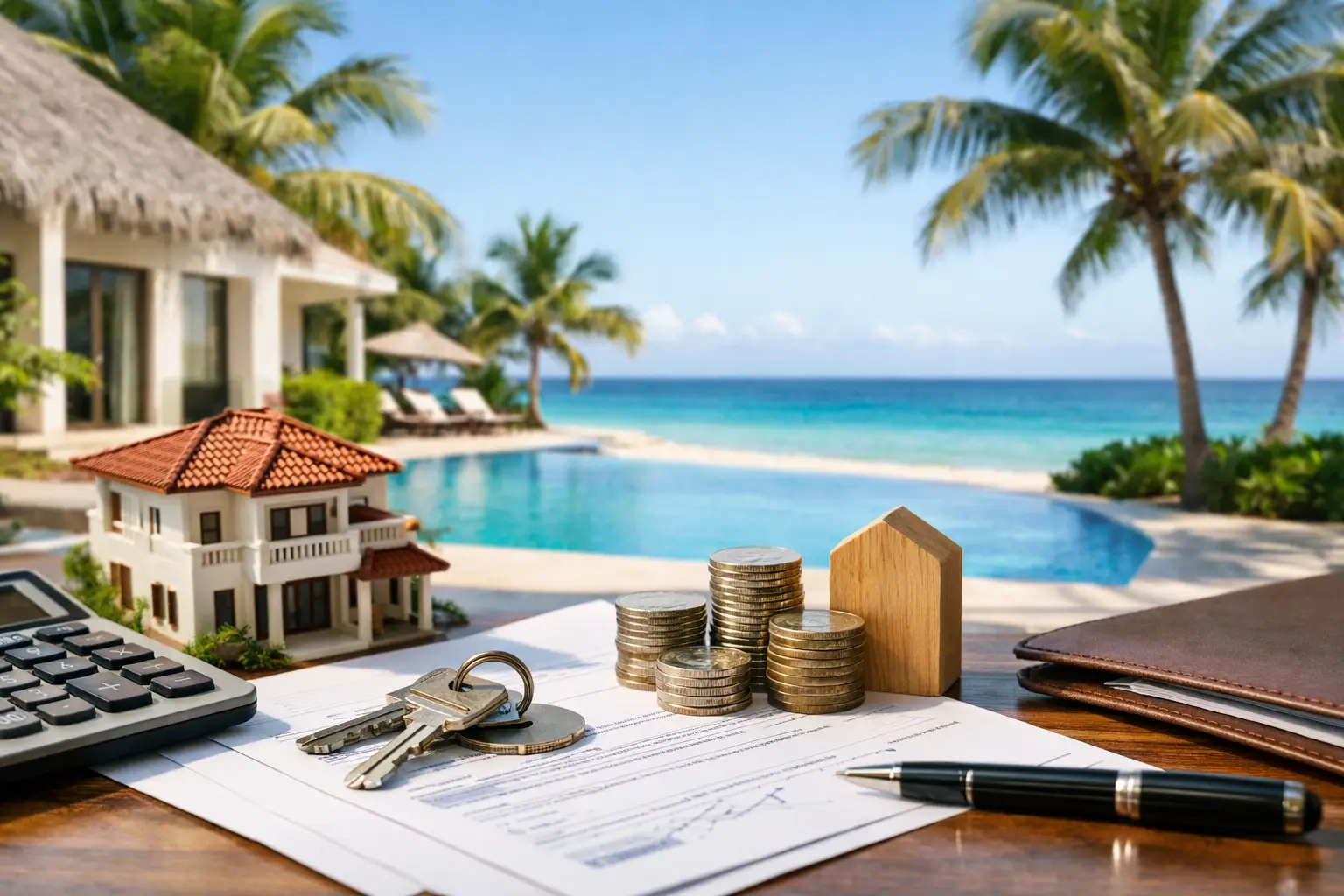
That matters because financing can shape what you buy, where you buy, and how quickly you can move when the right property appears. In markets that attract second-home buyers, retirees, and investors, being clear on your mortgage options early can save time and prevent expensive surprises later.
How a Dominican Republic mortgage for foreigners usually works
Foreign buyers can obtain financing in the Dominican Republic, but local banks generally lend more cautiously to non-residents than many lenders in the US or Canada. In practical terms, that usually means larger down payments, shorter loan terms, and closer review of income and asset documentation.
Many buyers assume they can finance 80 percent or 90 percent of a purchase price because that is common in their home market. In the Dominican Republic, foreigner financing often lands lower than that. A bank may ask for 30 percent to 50 percent down, depending on the property, the borrower profile, residency status, and where income is earned. If the property is in a desirable area with strong resale appeal, that can help, but it does not erase the bank's risk standards.
Loan terms can also be shorter than what North American buyers expect. Some borrowers may find terms that feel manageable, while others realize quickly that monthly payments are higher because the amortization is tighter and rates may be above what they see at home. That does not make financing a bad idea. It simply means the math should be tested carefully before you start house hunting.
What banks look at before approving foreign buyers
Lenders want to see that the borrower has stable income, enough liquidity, and a financial profile that supports repayment across borders. If you are salaried, expect to provide employment letters, bank statements, tax returns, and identification documents. If you are self-employed or retired, the bank may look more closely at tax filings, company records, pension statements, investment income, or proof of recurring deposits.
Residency can influence the conversation. Non-residents may still qualify, but legal residency or stronger ties to the country can make the file more comfortable for a lender. Some banks are more open to foreign applicants than others, and underwriting standards are not always identical.
The property itself matters too. A clean title, proper valuation, and marketable location are all part of the risk review. Banks are generally more cautious with unusual properties, incomplete construction, or anything with legal or documentation issues. That is one reason buyers benefit from working with an experienced local real estate professional and a reputable attorney from the start.
The documents you will likely need
Every bank has its own checklist, but most foreign buyers should be prepared for a fairly thorough package. Common requirements include a passport, proof of address, bank references, recent bank statements, proof of income, tax returns, and a source-of-funds explanation. Some lenders may require documents to be translated, notarized, apostilled, or legalized depending on where they originate.
This part of the process can feel slower than expected. The issue is not only the amount of paperwork. It is also that international files often trigger more follow-up questions. If your income comes from multiple businesses, trusts, or investments, expect the bank to ask for supporting detail.
A well-prepared file can make a major difference. Buyers who organize documents early are usually in a better position to move quickly when they find the right condo, villa, or investment property.
Rates, down payments, and monthly payment reality
The biggest adjustment for many foreign buyers is not qualification. It is expectations. Local mortgage rates can be higher than rates available in the US or Canada, and the down payment requirement is often much higher. The result is that monthly payments may not feel as attractive as buyers first imagined.
That does not mean financing is off the table. It means you should compare three numbers very honestly: your down payment, your projected payment, and your total cost of ownership. Include closing costs, insurance, maintenance, HOA fees if applicable, property management if this is an income property, and currency considerations if your income is earned in US or Canadian dollars but the loan is structured differently.
For some buyers, local financing still makes sense because it preserves liquidity. They would rather keep part of their capital available for renovations, furnishings, travel, or other investments. For others, the rate and down payment combination pushes them toward a cash purchase or financing from their home country instead.
Alternatives to a local mortgage
A dominican republic mortgage for foreigners is only one path. Depending on your financial picture, another option may be more efficient.
Some buyers use a home equity line or refinance a primary residence in the US or Canada. Others purchase with cash and avoid local bank underwriting altogether. In some cases, developer financing is available, especially in newer projects, though the terms, security, and payment structure need careful review. Seller financing exists too, but it is less common and should be structured very carefully by legal counsel.
Each route has trade-offs. Financing from home can offer better rates and more familiar underwriting, but it puts your primary assets at risk. Paying cash gives you negotiating strength and speed, but it concentrates more capital in one purchase. Developer financing can be convenient, yet buyers need to look closely at completion risk, title timing, and default terms.
Why property selection affects financing
Not every property is equally financeable. A bank may be more comfortable with a completed condo in an established community than with a custom villa under construction or a unique rural parcel. Resale demand, legal clarity, and appraised value all influence the lender's comfort level.
This is particularly relevant in lifestyle markets where buyers may be comparing beachfront condos, gated community villas, and rental-focused investment units. The property that best fits your dream life is not always the easiest property to finance. That is not a reason to settle. It is a reason to line up financing strategy alongside property strategy.
In areas like Sosua and Cabarete, where buyers often want a mix of lifestyle and income potential, this balance matters even more. A beautiful property may feel perfect emotionally, but if it creates financing friction or ownership costs that are hard to justify, it is worth pausing before moving ahead.
Common mistakes foreign buyers make
The first mistake is assuming financing will be simple because they have excellent credit at home. Strong credit helps, but foreign lending decisions are not based on that alone. Local banks are also evaluating residency, documentation, income traceability, and the property itself.
The second mistake is shopping for homes before testing affordability under realistic local terms. Buyers sometimes fall in love with a property based on a payment estimate that turns out to be too optimistic.
The third mistake is underestimating the importance of legal due diligence. A mortgage approval does not replace a lawyer's title review, contract review, or verification that the property can be transferred cleanly.
The fourth mistake is choosing financing based only on interest rate. Term length, prepayment flexibility, currency exposure, bank fees, and closing timeline can matter just as much.
The smartest way to prepare before you buy
Start with your budget, not the listing photos. Decide how much cash you are comfortable putting down, what monthly payment fits your broader lifestyle, and whether preserving liquidity matters more than securing the lowest possible total borrowing cost.
Then gather your paperwork early. If you are self-employed, retired, or have layered income sources, assume the bank will want more detail than you expect. Being prepared gives you options.
It also helps to work with professionals who understand the local market and the realities of cross-border transactions. That includes a real estate advisor who can tell you which properties are more likely to finance smoothly and an attorney who can protect you on the legal side. For many international buyers, that local guidance is what turns a complicated process into one that feels manageable.
At Ocean Side Realty, this is often where clarity makes the biggest difference. When buyers understand financing early, they shop with more confidence and make decisions that fit both their investment goals and the lifestyle they came here for.
If you are considering a home in the Dominican Republic, think of financing as part of the purchase strategy, not a detail to figure out later. The right mortgage can support your move, your retirement plan, or your investment goals. The wrong assumptions can narrow your options fast. A little preparation now can make that piece of paradise feel much closer to everyday reality.