


You find a villa near the beach, the photos look right, the price feels fair, and you can already picture mornings on the terrace. Then the practical question shows up fast - do you need a real estate lawyer Dominican Republic buyers can rely on, or can your agent handle the process on its own? If you are buying property in a foreign country, that answer matters more than most buyers expect.
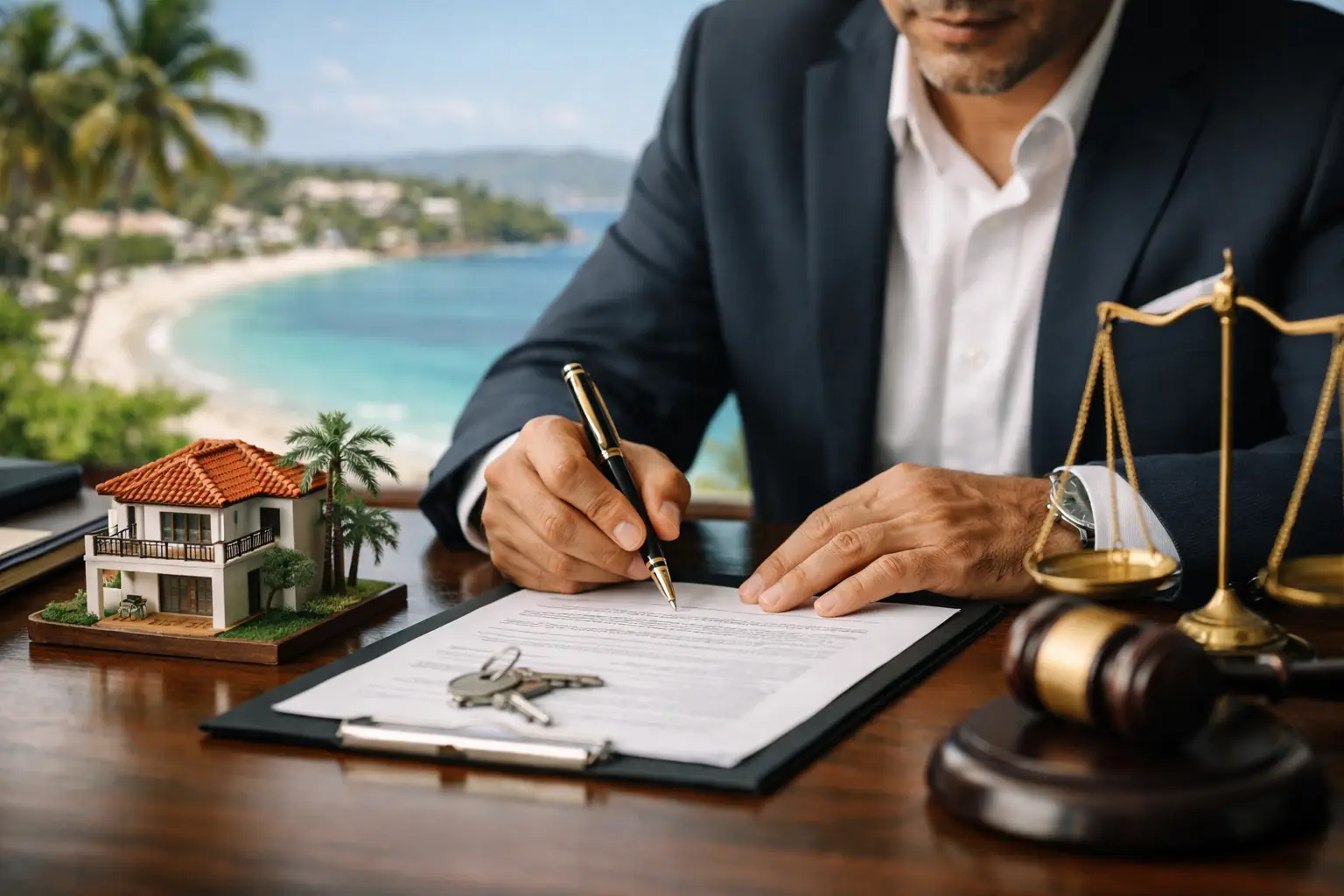
The short version is yes, legal representation is not a formality. It is one of the safeguards that helps turn excitement into a sound purchase. In the Dominican Republic, a good real estate attorney is there to verify ownership, review documents, check for liens or encumbrances, confirm tax status, and guide the closing process so you know what you are actually buying.
Why a real estate lawyer in the Dominican Republic matters
Buying real estate anywhere involves paperwork. Buying in another country adds language differences, unfamiliar procedures, and a legal system you may not know well. That does not mean the process is unsafe. It means the process should be handled carefully, with the right professionals in place.
A broker helps you find the right property, negotiate terms, and understand the market. A lawyer handles the legal side of the transaction. Those roles should work together, not replace one another.
This is especially important for international buyers who may be purchasing from abroad, sending deposits internationally, or relying on translated documents. A real estate lawyer in the Dominican Republic helps make sure the transaction is more than attractive on paper. They help confirm it is legally clean.
What a real estate lawyer Dominican Republic buyers hire actually does
The main job of the attorney is due diligence. That phrase gets used often, but in real estate it has very specific meaning. Your lawyer should investigate the property and the seller before you move too far into the deal.
That usually includes verifying the title, checking whether the seller has the legal right to sell, reviewing the survey and boundaries, confirming whether there are mortgages, liens, claims, or unpaid taxes attached to the property, and examining the purchase contract before you sign it.
If the property is in a gated community or condominium, your attorney may also review homeowners association rules, fees, and any restrictions that could affect your intended use. If you are buying as an investor, this matters even more. A beautiful property is not the same thing as a flexible asset.
Your lawyer can also help structure the transaction correctly. In some cases, buyers purchase personally. In others, they use a company structure for estate planning, liability, or tax reasons. That is not a one-size-fits-all decision. What makes sense for a retiree buying a second home may not be the right move for a rental investor buying multiple units.
When to bring in a lawyer
Early. Not after the deposit is sent.
That is one of the most common mistakes buyers make. They assume they can negotiate first and let the legal review happen later. In reality, your attorney should be involved before the contract is finalized and ideally before any meaningful funds become non-refundable.
That does not mean you need a lawyer before every property showing. It means that once you are serious about a property, legal review should begin quickly. If a deal is legitimate, the seller should expect that. If someone pressures you to skip legal steps, move faster than your comfort level, or wire money before proper review, that is a signal to slow down.
What due diligence should cover
A proper legal review should answer a few basic questions clearly. Does the seller own the property? Is the title transferable? Are there debts, legal disputes, inheritance issues, or registration problems? Does the physical property match the legal description? Are there community fees, tax obligations, or usage restrictions the buyer should know about?
On newer construction or pre-construction purchases, the focus shifts slightly. Your lawyer should review the developer, permits, contract terms, payment schedule, delivery obligations, and protections if construction is delayed. Pre-construction can offer value, but it also carries more moving parts than a resale purchase. The legal review needs to reflect that.
Choosing the right attorney
Not every lawyer is a real estate lawyer, and not every real estate lawyer is equally experienced with foreign buyers. That distinction matters.
You want an attorney who regularly handles Dominican property transactions, communicates clearly in English if that is your primary language, and understands the expectations of US and Canadian clients. The legal work may happen in the Dominican Republic, but the client experience still matters. Buyers should feel informed, not managed in the dark.
A good attorney should be able to explain the process in plain language, outline expected costs, identify potential concerns without drama, and coordinate smoothly with your real estate agent, seller, and closing parties. If communication is vague or delayed early on, it usually does not improve under pressure.
Experience with the area can help too. In markets like Sosua and Cabarete, local knowledge often adds practical value. Different communities can have different documentation habits, condo rules, and closing patterns. That does not change the law, but it can make the process more efficient.
What your lawyer does not replace
A lawyer protects the legal side of the deal, but that does not mean they replace every other professional.
They are not there to advise you on neighborhood fit, rental demand, resale potential, or whether one community better matches your lifestyle. That is where an experienced local real estate professional becomes essential. If you are choosing between a full-time residence, a vacation condo, or an income property, market guidance and legal guidance should work hand in hand.
This is where buyers tend to get the best results: a trusted agent helping them select the right property and negotiate well, paired with a qualified attorney making sure the transaction is legally sound.
Cost versus risk
Some buyers hesitate to hire a lawyer because they want to keep closing costs down. That instinct is understandable, especially if the property already stretches the budget. But legal fees are small compared with the cost of buying the wrong property, inheriting a title issue, or discovering a problem after funds are committed.
The better question is not whether a lawyer costs money. It is whether skipping legal representation creates unnecessary risk. In most cases, it does.
That said, more expensive does not always mean better. Buyers should look for clarity, responsiveness, and relevant experience, not just a polished pitch. Ask what services are included, who will actually handle the file, and how the attorney approaches due diligence.
A few practical questions to ask
Before you hire an attorney, ask how many Dominican Republic real estate transactions they handle each year, whether they represent many foreign buyers, what their due diligence process includes, how they communicate updates, and what fees are separate from the quoted legal fee.
You should also ask how they coordinate with the closing process and when funds are typically transferred. These are basic questions, but the answers tell you a lot about organization and transparency.
The best transactions feel calm, not rushed
One of the biggest misconceptions about buying Caribbean real estate is that the process should feel fast and informal because the setting is relaxed. The opposite is usually true. The more attractive the property and the more exciting the lifestyle, the more important it is to stay disciplined.
A strong team helps with that. An experienced brokerage, a real estate lawyer, and a clear closing process create the kind of confidence buyers need when making a major purchase abroad. At Ocean Side Realty, that is exactly how we believe clients should be supported - with local knowledge, honest guidance, and professionals who help make island ownership feel clear rather than complicated.
If you are considering property in the Dominican Republic, think of a real estate lawyer as part of the foundation, not an extra. The right home can absolutely be a piece of paradise, but peace of mind comes from knowing the legal side is just as solid as the view.